
What Are Adaptogens?

What are adaptogens? In their natural form, adaptogens are plant extracts that have been shown to have various health benefits. Researchers have also developed synthetic forms to target specific bodily responses. The ability of adaptogenic plants to enhance physical performance without increasing oxygen consumption has prompted many clinical studies to identify the various types of adaptogens and to try to answer the question, “What do adaptogens do?” As more people take an interest in adaptogenic supplements, it is important to understand the various types of extracts and their potential effects in the body.
TL;DR:
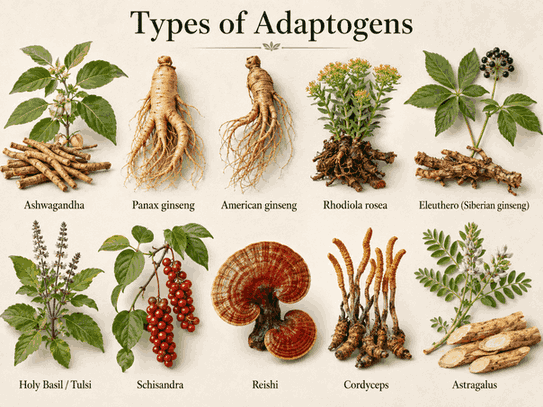
What should you look for in adaptogens? There are various adaptogenic herbs and mushrooms sold as supplements to address wellness issues such as sleep quality, mental focus, energy levels, immune system strength and more. Common adaptogens include ashwagandha, rhodiola rosea, Panax ginseng, American ginseng, eleuthero (Siberian ginseng), holy basil (tulsi), schisandra, reishi, cordyceps and astragalus. Look for products that clearly identify the botanical name of the adaptogen, the plant or mushroom part used in the formula, the serving size and frequency and the standardized adaptogen percentage. Only buy high-quality products and look for independent laboratory testing. Studies have demonstrated that adaptogens can be effective. They are considered safe for consumers, but there is a potential for interactions with certain medications. Therefore, it is important to check with a doctor if taking prescription drugs.
What Are Adaptogens?
What is an adaptogen? An adaptogen is a substance primarily extracted from herbs, roots and mushrooms. They are consumed to increase physical resilience and adaptability to stress, helping to restore balance in the body when it is experiencing physical and mental stress, fatigue or anxiety. Researchers continue to investigate other effects, but the impact on the stress response remains the most studied area.
An adaptogen has three qualities.
- It is non-toxic, even when taken at regular doses
- It can help the body manage stress signals
- It supports the body’s ability to find balance (homeostasis)
Natural adaptogens have a complex phytochemical profile, meaning their effects arise from a combination of compounds. Phytochemicals are natural chemical compounds in plants. It is important to understand that the term adaptogen is not a standardized medical term. Products labeled as containing adaptogens may contain different types of plant extracts, with each working differently.
How Do Adaptogens Work?
Research since the mid-1900s has greatly increased knowledge of adaptogenic plants, which are believed to offer a variety of benefits. Over the decades, adaptogens have been defined in various ways to reflect their actions. They have been called adaptogenic metabolic regulators, stress-reduction agents, herbs that increase endurance and attention, stress adaptors and bodily system normalizers.
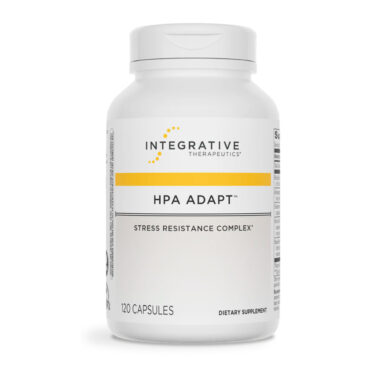
There is a solid body of evidence demonstrating that adaptogens can influence stress-response systems, such as the hypothalamic-pituitary-adrenal (HPA) axis, which regulates the body’s stress response. Adaptogens also influence related neuroendocrine pathways that connect the nervous system with the endocrine system that produces and releases hormones.
This influence helps raise or lower chemical activities, such as cortisol, heat shock proteins (which protect cells from overheating and clumping), intracellular signaling pathways and neurotransmitters. They have demonstrated a variety of effects by balancing stress hormones, enhancing cellular energy metabolism, reducing oxidative stress and reducing neuroinflammation. As a result of all this activity, the plant compounds may produce the following effects.
• Anti-fatigue
• Neuroprotection
• Anti-anxiety
• Anti-depressant
Specifically, how do adaptogens work? There are several ways, depending on the type of adaptogen.
1. HPA axis regulation – Adaptogens promote a balance of stress hormones, preventing chronic (long-term) overactivation and exhaustion. A study in which participants took a mushroom blend significantly improved mood and energy balance, and sleep quality.
2. Protects cells against oxidative damage – Some key proteins that protect cells from damage and stress may be activated, helping to keep cells healthy. Clinical trials have shown that adaptogens can increase mental work capacity when under stress and fatigued.
3. Provides neuroprotection – The protein called brain-derived neurotrophic factor (BDNF) promotes strong connections between brain cells, protects neurons and assists in maturing new neurons. Adaptogens increase BDNF levels and block neural pathways that lead to programmed cell death (apoptosis). Adaptogens can act as anti-inflammatory agents in the brain, resulting in reduced anxiety and mood swings and improved sleep quality.
How an adaptogen works and the benefits it provides depend on the type of adaptogen. They each have different organic compounds. For example, ashwagandha contains withanolides, ginseng contains ginsenosides and rhodiola contains rosavin and salidroside. Though these are scientific names, you should be familiar with them because they are included on the label’s ingredient lists of high-quality adaptogenic supplements.
Types of Adaptogens
The following is a review of some adaptogenic herbs. As you read through the descriptions of adaptogenic plants, keep in mind that scientists agree that more research with human participants is needed.
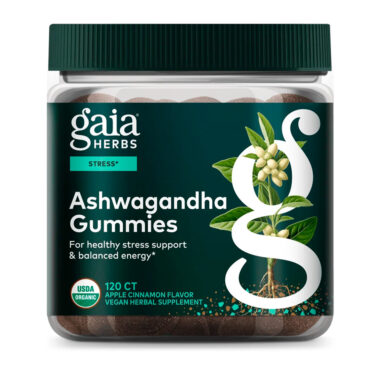
Ashwagandha – Withania somnifera (Ashwagandha) is one of the most studied adaptogenic herbs. It has been used in traditional Ayurvedic medicine for approximately 4,000 years. The plant Ashwagandha is native to Africa and Asia and is also known as Indian ginseng. The root is commonly used to make powder for supplementation. The active compounds, including withanolides, alkaloids and glyco-withanolides (steroid molecules), are responsible for the various benefits. Studies have demonstrated benefits such as reduced stress, neuroprotection, anti-inflammatory action and improved immune and neurological health.
Withanolides have demonstrated a strong ability to lower stress and reduce inflammation. The root contains the type of withanolides used in research. When leaves are blended in, the chemical balance is changed.
Panax ginseng – Panax ginseng (Panax ginseng C.A. Mey) is a perennial plant mainly cultivated in Asia and Russia. This adaptogen contains ginsenosides, which provide the main health benefits. It is also called Korean or Asian ginseng in some supplements. Ginsenosides are compounds that support immune function, may inhibit viruses and have shown anti-inflammatory activity. It has been shown to reduce the risk of developing colds and upper respiratory tract infections by 31%. It may also boost energy and mental focus by reducing physical and mental fatigue.
The ginseng root holds the highest concentration of ginsenosides.
American ginseng – American ginseng (Panax quinquefolium L.) also has ginsenosides. It belongs to the genus Panax ginseng, but it differs in ginsenoside content. It may produce effects similar to Asian ginseng, but for many people, it offers a calming influence rather than an energizing one. The compounds work to help the body manage stress from physical, mental, emotional or environmental pressures. Its effects stem from its interaction with the nervous system, improving cognitive function and providing neuroprotective and antimicrobial effects. American ginseng is popularly used in teas.
Rhodiola rosea –Rhodiola rosea is also called golden root, rose root and SHR-5. It has long been used in traditional Eastern European and Asian medicine. The compound salidroside has demonstrated neuroprotective effects and may reduce fatigue and stress and improve mental and physical performance. Small studies have found it might improve some of the symptoms people experience when they have anxiety disorders and mild to moderate mood swings.
The roots and rhizomes (underground stems or soil-surface-growing stems) are the primary sources of the bioactive compounds salidroside and rosavin, which may deliver the desired benefits.
Eleuthero – Eleuthero (Eleutherococcus senticosus) is also called Siberian ginseng, though it is not a true ginseng. It has also been used in traditional medicine for thousands of years. Its compounds include caffeoylquinic acids and eleutherosides. These compounds have demonstrated anti-inflammatory, immune-modulating, and neuroprotective activities.
The rhizome, or underground stem, has the highest concentration of bioactive eleutherosides.
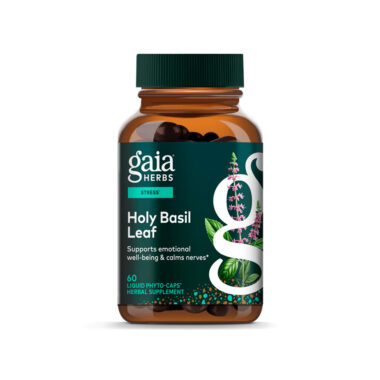
Holy Basil and Tulsi – Holy Basil is the English name, and Tulsi is the traditional Indian name for the aromatic plant Ocimum tenuiflorum. Used in Ayurvedic medicine, it is a sacred Hindu plant. Various research projects have found it may have antioxidant support, lipid and blood sugar balance, and cardiovascular support.
The leaves contain up to 71% eugenol, the primary active constituent of the volatile oil. The flowers also have a high concentration, but with a slightly different profile.
Schisandra – Schisandra chinensis is a woody vine that produces small, red berries referred to as five-flavor fruit. The berries have been used in Asia and Russia to support general wellness and boost energy. As an adaptogen, it may help reduce the effects of physical and mental stress. Schisandra contains active compounds, including schisandrin and gomisins, that have demonstrated antioxidant and anti-inflammatory effects. It is also studied for potential hepatoprotective properties, meaning it may reduce liver inflammation and damage, improving liver functioning.
The berries, including the seeds, contain the highest concentration of bioactive compounds.
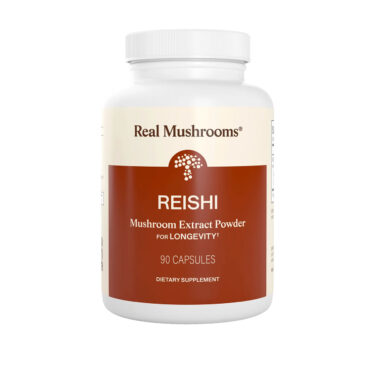
Reishi – Reishi (Ganoderma lucidum) is one of the adaptogenic mushrooms and contains triterpenes and polysaccharides. Like the adaptogenic herbs, it has been used in traditional Chinese medicine for centuries. Triterpenoids have anti-inflammatory and antioxidant properties. These active compounds may improve insulin sensitivity and balance blood sugar levels. The polysaccharides have demonstrated that they may improve glucose metabolism, help with weight loss and act as antivirals by increasing white blood cell counts.
The cap and stem of the mushroom, called the fruiting body, have the highest concentration of bioactive compounds.
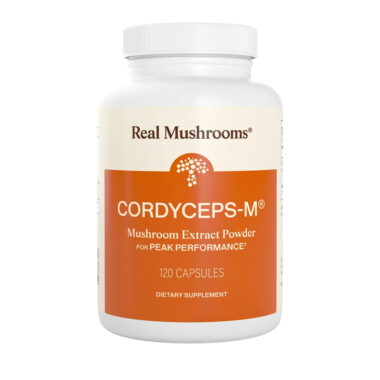
Cordyceps – Cordyceps is a fungus that grows on the Himalayan plateau and is a mushroom used in traditional Chinese medicine. Cordyceps contains many bioactive compounds, including proteins, essential amino acids, fats, volatile oils, flavonoids, phenolic compounds, minerals, vitamins and various carbohydrates. Cordycepin, similar to adenosine, is considered the most important compound due to its therapeutic and nutraceutical potential. It acts as an anti-metabolite. A nutraceutical is a product or food that provides health and medical benefits. Cordyceps has demonstrated a long list of benefits in clinical studies. They include anti-fungal, anti-inflammatory, anti-diabetic, anti-viral, anti-aging, anti-arthritic and much more.
Once again, the fruiting body has the highest concentration of bioactive compounds.
Astragalus – Astragalus is a flowering plant, also used in traditional Chinese medicine. The main bioactive compounds are polysaccharides, saponins, flavonoids, simple phenolics and alkaloids. It is often combined with other herbs to address respiratory system support, blood sugar level balance, kidney and immune system support. Astragalus is available as a topical for wound support.
The highest concentration of bioactive compounds is in the outer peel (periderm) of the root. The middle layer is next.
There are other compounds, but these are the common adaptogens.
How to Choose an Adaptogen Supplement
After getting an answer to the question, “What are adaptogens?” and learning the benefits of adaptogens, the next step is choosing the adaptogen supplement that meets your needs. First, decide what you hope the supplement will do. The following are examples of how to match adaptogen supplements to a health goal.
- To reduce stress, try ashwagandha, which may reduce cortisol production and calm the nervous system.
- If the goal is to strengthen the immune system, Reishi mushrooms are a good choice.
- When increasing energy and mental focus is the goal, try rhodiola rosea or ginseng.
- To pursue a better balance in the body’s systems, try Holy Basil or Tulsi for improved metabolic health.
Other considerations when assessing adaptogen supplements are quality and purity. The FDA does not regulate supplements before they reach the market, only after. The FDA monitors dietary supplements after they are available for sale based on consumer complaints or reports of adverse effects. The agency also inspects product labels to ensure the ingredients are safe and accurate, and that the appropriate information, such as an FDA disclaimer for a health claim, is provided.
The information on the label should be truthful. Look for the botanical name, so you know precisely what is in the product. For example, ginseng refers to more than one plant. Siberian ginseng is eleuthero. Also, check which part of the plant is used because that can affect quality. Ashwagandha supplements are made with leaf, root or a combination. Supplements made mostly with root are of the highest quality.
The most transparent adaptogen supplements will have product batches quality-tested by an independent laboratory. A standardized extract percentage specified on the label also indicates transparency and quality. For example, the label states that the ashwagandha product contains 5% withanolides. It means 5% of the extract’s total weight is guaranteed to be 5% ashwagandha.
How to Take Adaptogens
Adaptogen supplements are available in many product forms.
- Dried, solid, liquid extracts
- Tablets
- Capsules
- Powders
- Tea bags
Since there are no universal recommendations for taking adaptogens, it is best to follow the recommended serving amount on the label. The ideal dosing amount is influenced by the adaptogen extract, formulation and intended use. Quality products have been developed by scientists who conduct extensive research.
A label could say to take one serving daily or one in the morning and one in the evening, etc. Remember that the supplements are formulated for different purposes. Some are meant for daytime dosing to improve mental focus and energy. Others are formulated to promote calm.
How Long Does It Take for Adaptogens to Work?
Natural supplements are not like prescription medications. They can take longer to work. Most people notice the supplement’s benefits within two to four weeks, but it may take longer. For example, reviews of clinical trials on ashwagandha and Rhodiola rosea found that the studies lasted 3 to 16 weeks.
Various sleep studies have found that ashwagandha is most helpful for sleep when taken at 600 mg daily for at least two months. In another example, a clinical trial reported that participants who took ginseng three times a day for 12 weeks were less likely to develop respiratory infections.
The important point to keep in mind is to take the adaptogen consistently. You may not experience effects immediately. However, if you do not experience effects after 8-12 weeks, the product is likely not going to be helpful.
Can You Take Multiple Adaptogens Together?
You can take more than one adaptogen at the same time. In fact, many adaptogen supplements contain multiple adaptogens. The drawback is that if you experience a benefit or side effect, it is difficult to determine which adaptogen is responsible. If you are a beginner, it may be better to start with one adaptogen, so you can better identify the response.
A recent study did evaluate the response to multiple adaptogenic herbs taken together as a blend. It included Rhodiola rosea, Schisandra chinensis and Holy basil. The responses to the blend were compared with those of taking only ashwagandha. The result was that both options worked better than a placebo after 60 days. However, the ashwagandha formula did improve sleep quality and reduce stress. The adaptogenic blend produced long-term improvements in anxiety and mood swings.
If taking prescription medications, always check with your doctor before taking adaptogens. We tend to think of herbs as harmless, but some can interact with certain medications, leading to undesirable results.
Complementing Wellness Routines
Adaptogens can play an important role in a wellness routine. They should complement a lifestyle that includes a healthy diet and exercise. Adaptogen benefits vary, though they all help the body maintain balance in response to stress. The difference is how the adaptogen works. Some people need more energy and mental focus to manage stress better. Others may need to improve their sleep quality or strengthen their immune system.
What is an adaptogen? More research is needed to better understand this diverse group of herbs and mushrooms, but millions of people are enjoying the benefits each day. There is a lot to learn about adaptogens, but these natural compounds have helped people for thousands of years manage their wellness.
Sources
- https://my.clevelandclinic.org/health/drugs/22361-adaptogens
- https://pmc.ncbi.nlm.nih.gov/articles/PMC8398443/#sec4-nutrients-13-02861
- https://pmc.ncbi.nlm.nih.gov/articles/PMC7756641/
- https://www.ijsrtjournal.com/article/Effect+of+Adaptogens+on+the+Central+Nervous+System+and+The+Molecular+Mechanism+Associated+with+Their+Stress+Protective+Activity
- https://pmc.ncbi.nlm.nih.gov/articles/PMC12808922/
- https://pmc.ncbi.nlm.nih.gov/articles/PMC3991026/
- https://pmc.ncbi.nlm.nih.gov/articles/PMC10891670/
- https://ods.od.nih.gov/factsheets/Ashwagandha-HealthProfessional/
- https://www.sciencedirect.com/science/article/pii/S1756464623002955
- https://ods.od.nih.gov/factsheets/ImmuneFunction-HealthProfessional/#h54
- https://pmc.ncbi.nlm.nih.gov/articles/PMC6567205/
- https://www.mskcc.org/cancer-care/integrative-medicine/herbs/rhodiola
- https://crimsonpublishers.com/mcda/fulltext/MCDA.000696.php
- https://pmc.ncbi.nlm.nih.gov/articles/PMC12605232/
- https://pmc.ncbi.nlm.nih.gov/articles/PMC12195798/
- https://health.osu.edu/wellness/exercise-and-nutrition/holy-basil-good-for-health
- https://www.frontiersin.org/journals/sustainable-food-systems/articles/10.3389/fsufs.2023.1219540/full
- https://www.scientificarchives.com/article/schisandra-chinensis-in-liver-disease-exploring-the-mechanisms-and-therapeutic-promise-of-an-ancient-chinese-botanical
- https://pmc.ncbi.nlm.nih.gov/articles/PMC10094145/
- https://pmc.ncbi.nlm.nih.gov/articles/PMC7356751/#sec2-molecules-25-02735
- https://pmc.ncbi.nlm.nih.gov/articles/PMC12122460/
- https://www.nccih.nih.gov/health/astragalus
- https://link.springer.com/article/10.1007/s12210-021-01003-2
- https://www.fda.gov/consumers/consumer-updates/fda-101-dietary-supplements
- https://www.aaem.pl/Clinical-evidence-for-the-adaptogenic-effects-of-Withania-somnifera-and-Rhodiola,213417,0,2.html
- https://ods.od.nih.gov/factsheets/Ashwagandha-Consumer/
- https://ods.od.nih.gov/factsheets/ImmuneFunction-HealthProfessional/#h54
- https://pubmed.ncbi.nlm.nih.gov/41656269/
Share this post
