
How to Choose Quercetin Supplements
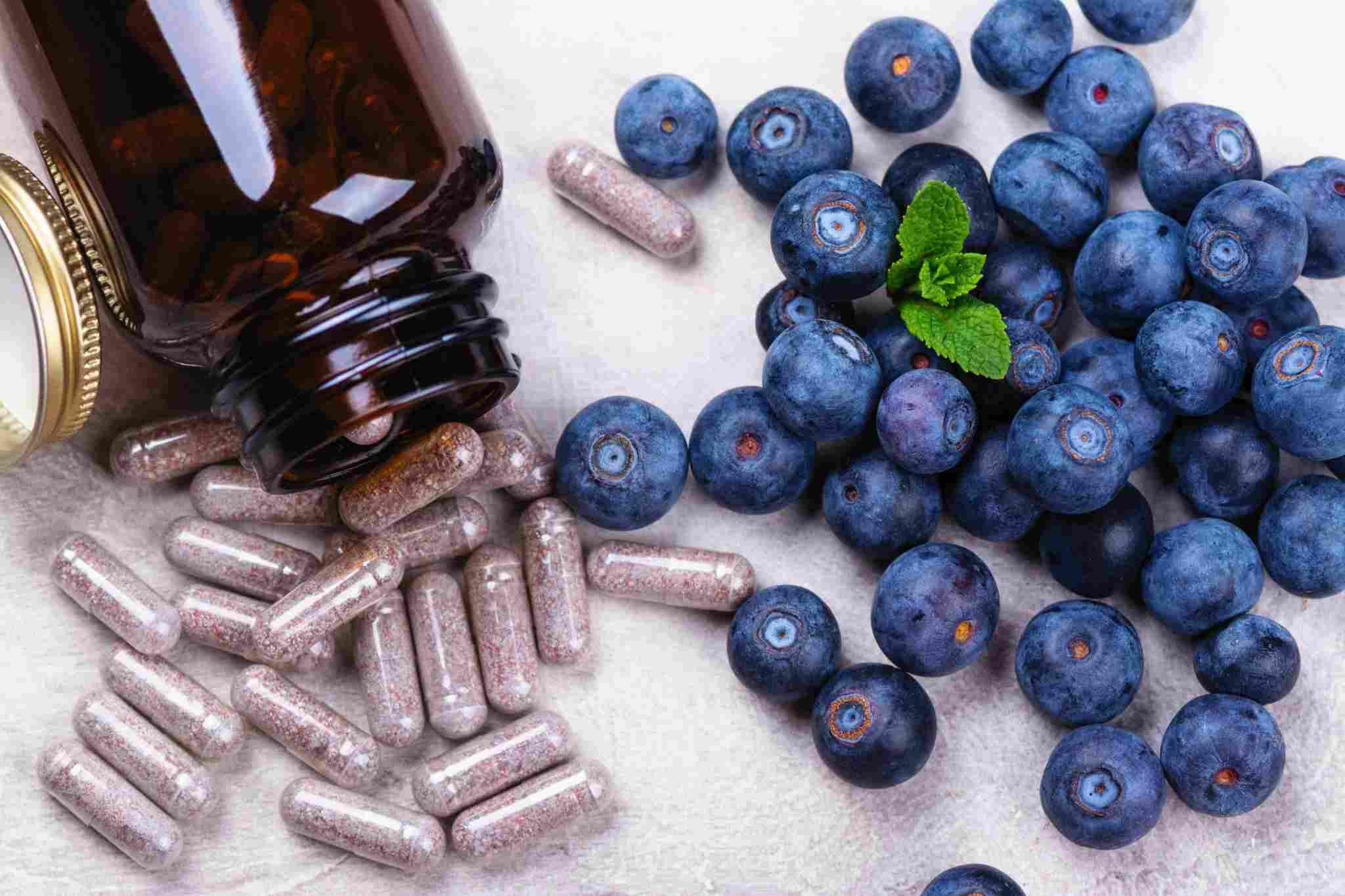
One of the most common bioflavonoids consumed is quercetin. Naturally found in various plants, it is available as a nutritional supplement in forms that include capsules, tablets, powders and gummies. As more people look for ways to support their health and wellness, they are turning to natural options, like quercetin supplements. Quercetin delivers important wellness benefits as an antioxidant. Understanding the different forms and types of quercetin brings confidence that you are selecting a product that supports your wellness goals.
TL;DR:
Quercetin is a flavonoid. It is naturally occurring in many vegetables and fruits. It acts as an antioxidant. Quercetin is available in several quercetin supplement forms, including capsules, powders, tablets and gummies. Each form has unique advantages. There are also different types of quercetin: standard quercetin, quercetin phytosome and quercetin dihydrate. To select the best product for personal needs, consider the particular type of quercetin, recommended dosage and whether the supplement was quality tested.
What is Quercetin?
Quercetin is a flavonoid. A flavonoid is a natural plant chemical in fruits, vegetables and flowers that acts as a natural defense system, protecting the plant against pests, fungi, bacteria, viruses and the sun’s ultraviolet radiation. They are also responsible for the colors blue, red and purple in fruits.
There are different types of flavonoids. Quercetin is a flavanol, one of six different biological structures of flavonoids, and each has been given a name. Flavonoids are antioxidants. Quercetin antioxidants are known to fight the formation of free radicals (unstable molecules) associated with diseases that include cardiovascular disease, type 2 diabetes, atherosclerosis (buildup of plaque in the arteries) and cancer. Flavonoids have antiviral, antioxidant, antibacterial, and immune-system support effects.
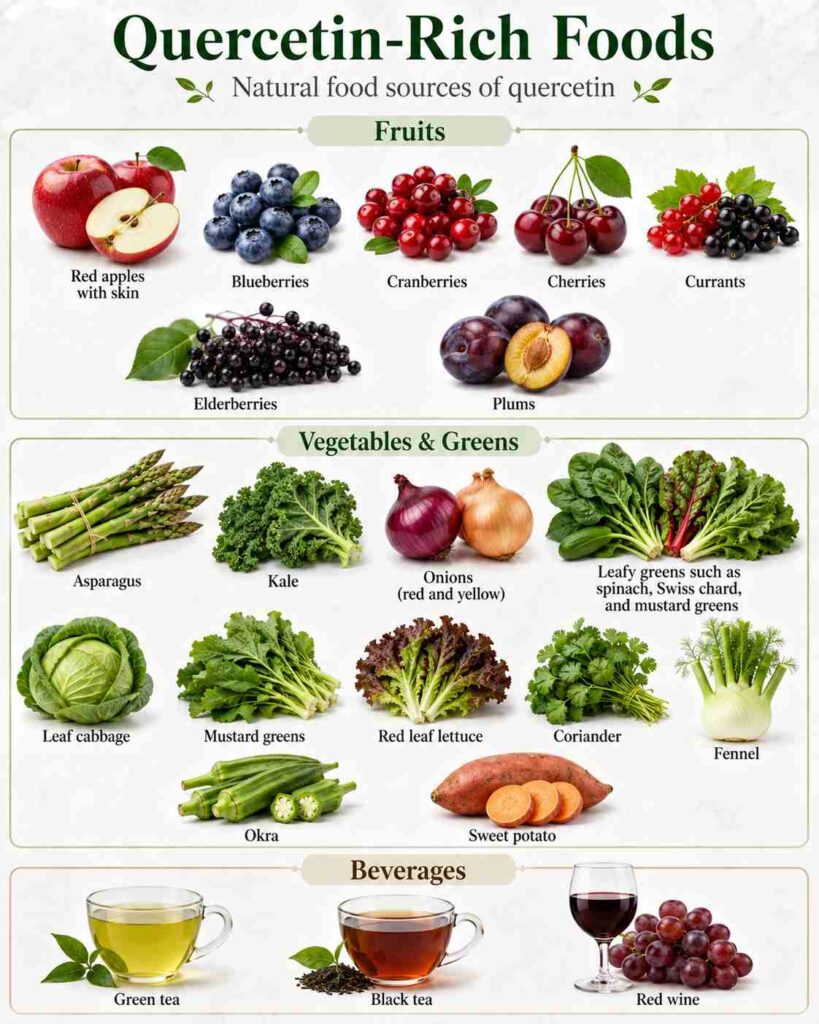
Quercetin is found in various foods. The following are some of those foods that have the highest amount of natural quercetin.
- Red apples with skin
- Asparagus
- Kale
- Onions (red and yellow)
- Leafy greens, i.e., spinach, Swiss chard, mustard greens, etc.
- Blueberries
- Cranberries
- Cherries
- Currants
- Elderberries
- Plums
- Coriander
- Fennel
- Okra
- Sweet potato
- Fennel
- Leaf cabbage
- Mustard greens
- Red leaf lettuce
- Green and black tea
- Red wine
Why People Shop for Quercetin Supplements
People have different reasons for choosing quercetin supplements. The body does not produce quercetin, so eating fruits and vegetables is the best way to consume the nutrient. However, it takes a well-balanced, consistent diet to ensure you get enough quercetin, and that is not always easy. One reason people take quercetin supplements is to ensure a consistent daily intake of this flavonoid because of its health benefits.
Usually, quercetin supplements are taken to enhance efforts to develop and maintain a healthy lifestyle. The supplements are combined with other steps taken.
- Staying physically active
- Increasing immune support
- Managing stress
- Getting 7-8 hours of quality sleep
- Consistently following a balanced diet with colorful foods
- Exercising regularly
Quercetin supplements do not replace eating a healthy diet or other positive lifestyle elements.
Quercetin Forms and Absorption
When reading product labels, you will quickly discover there are different quercetin forms, and each has a different absorption. Bioavailability is an important consideration because it refers to how your body absorbs and uses the supplement. Quercetin has a naturally low bioavailability, so supplement producers developed various formulations that strive to increase absorption. A common comparison is standard quercetin vs quercetin phytosome. To understand the comparison, you should be familiar with each quercetin form.
• Standard quercetin – Also called free-form quercetin, standard quercetin is a natural form of the flavonoid. It has low bioavailability when taken with water because quercetin is very poorly soluble in water. The estimated absorption rate ranges from 3-17% in people who are healthy and take 100 mg of oral quercetin. There are different absorption rates for different foods, i.e., onions were found to have three times the absorption rate compared to apples.
• Quercetin phytosome – This is a plant-based quercetin supplement that is blended with soy or sunflower phospholipids, which are lipids that contain phosphorus and are a major element of cell membranes. The phospholipids help dissolve the quercetin and enable it to enter cells. It may have up to 20 times more bioavailability than standard quercetin.
• Quercetin dihydrate – This is a commonly consumed form of quercetin supplements. It is the most stable and water-soluble form, yet it has low bioavailability. That is because it is a crystalline form of standard quercetin bound to water molecules.
So, the quercetin phytosome has the highest bioavailability. Many of the quercetin supplements have ingredients that may help increase absorption, like vitamin C. Bromelain, an enzyme from pineapple, is another common supplement additive for improved quercetin absorption. Research is ongoing in this area.
You can purchase a quercetin supplement with vitamin C or bromelain, or you can take quercetin with foods high in these nutrients.
Capsules, Tablets, Powders or Gummies?
The many quercetin supplement forms fit different lifestyles and personal needs. The following is a supplement comparison to help choose the best form.
Capsules – Capsules are the most popular form because they are so convenient. They provide consistent dosing, are easy to swallow, and most have the least amount of unnecessary ingredients. They are also easy to carry wherever you go.
Tablets – Tablets are often larger, so they may have a higher dose amount of quercetin. They are not as easy to swallow as capsules.
Powders – The best feature of quercetin powder is that it can be mixed into beverages, yogurt, smoothies and other foods. This could be a good choice if you do not like swallowing supplements.
Gummies – Gummies are tasty, convenient and chewable. However, they also contain other ingredients like artificial sweeteners, sugars and flavorings. They may also have the lowest quercetin amount per dose.
When Should You Take Quercetin
The recommended quercetin dosage amount per day is 500-1000 mg. It is important to consult a doctor before beginning a quercetin supplement because quercetin can interact with some prescription medications, like diabetes medications. Also, women who are pregnant or nursing and individuals with chronic medical conditions should make sure to check with a doctor.
You can take a full dose of quercetin any time of the day. It is recommended to take it with food. After deciding when to take quercetin, adhere to a daily routine. Breakfast or lunch are probably the best meals for adding quercetin to a daily supplement routine. Consistency is more important than the time of day. Also keep in mind that dietary fat may significantly increase quercetin absorption in the gut.
Quercetin is also an ingredient in other supplements. For example, you can buy a supplement with zinc, vitamin C, ginger, elderberry and vitamin D.
Always follow the manufacturer’s instructions for the dosage amount. They invest a lot of resources in research as they develop products.
Quercetin Contributes to Good Health
Quercetin benefits include supporting the body’s natural antioxidant defenses. Quercetin is a flavonoid that provides antioxidant support and stimulates the immune system. It is important to choose a high-quality quercetin supplement and not focus on advertising claims. Instead, look for products with transparent labeling and tested by an independent laboratory. Reputable supplement manufacturers adhere to quality standards, like Good Manufacturing Practices (GMP).
Getting the most benefit from quercetin depends on following a healthy lifestyle. Consistently eat a diet rich in fruits and vegetables, exercise, get good sleep, manage stress and stay hydrated. When buying quercetin supplements, compare products to make sure you know what is in the formulation. There are many quality options available today.
Sources
- https://pmc.ncbi.nlm.nih.gov/articles/PMC8434187/
- https://pmc.ncbi.nlm.nih.gov/articles/PMC11765039/#sec4-foods-14-00155
- https://pmc.ncbi.nlm.nih.gov/articles/PMC10935205/#sec2-molecules-29-01000
- https://pmc.ncbi.nlm.nih.gov/articles/PMC6835347/#sec2-nutrients-11-02288
- https://pmc.ncbi.nlm.nih.gov/articles/PMC12073759/
- https://www.foodandnutritionjournal.org/vol04nospl-issue-conf-october-2016/bioavailability-of-quercetin/
- https://pubs.acs.org/doi/10.1021/acsomega.2c05929#
- https://pmc.ncbi.nlm.nih.gov/articles/PMC3685779/
- https://pmc.ncbi.nlm.nih.gov/articles/PMC10143896/
- https://www.researchgate.net/publication/234134376_Dietary_fat_increases_quercetin_bioavailability_in_overweight_adults
Share this post
