
Which Supplements Should Be Refrigerated?
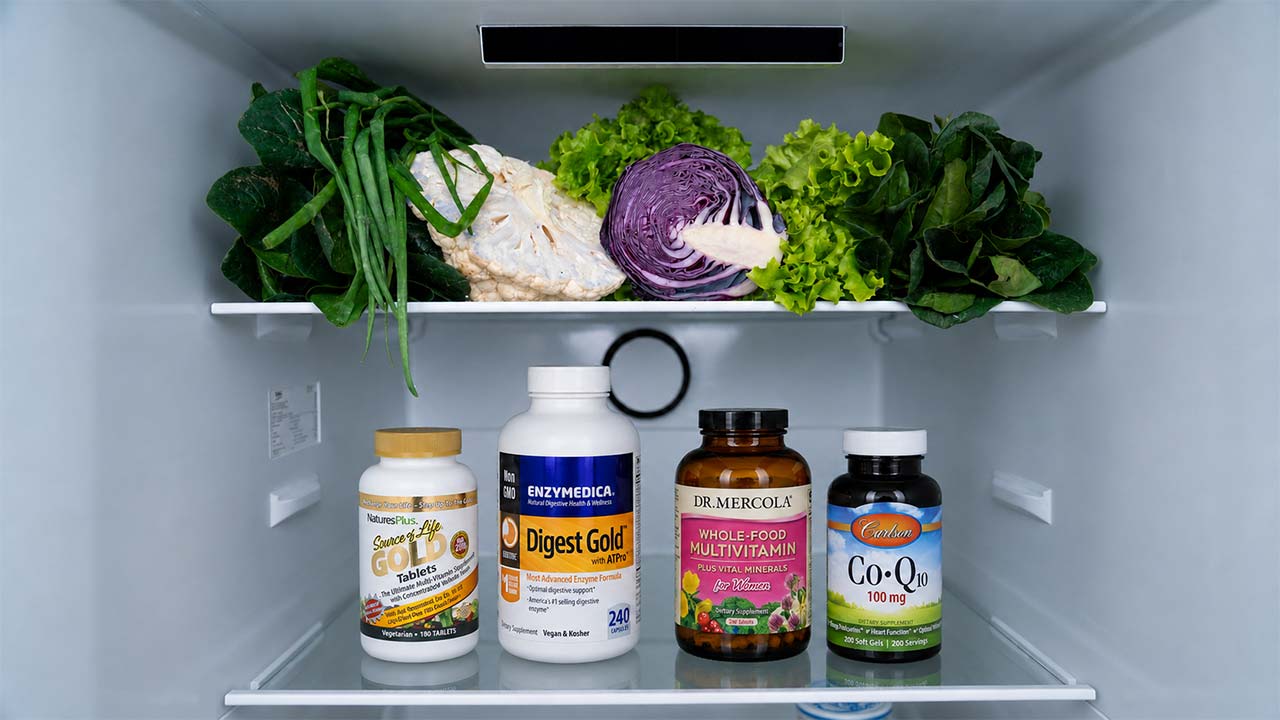
Any quantity of supplements purchased is expected to retain its potency and quality until the manufacturer’s expiration date is printed on the label. This expectation is most likely to be met when supplement storage guidelines are followed. There are many types of supplements, including multivitamins and probiotics. Some products benefit from refrigeration, but refrigeration is unnecessary for most supplements.
TL;DR:
Most vitamins, capsules, tablets, minerals, and supplements can be stored in a dry, cool location, such as a cabinet. The supplements that need refrigeration include fish oils, various probiotics, and some liquid supplements, primarily because of added ingredients. Follow the manufacturer’s recommended storage instructions for supplements to maintain their potency and freshness. Supplements stored at the wrong temperature will degrade, losing potency and effectiveness.
- Should Supplements Be Refrigerated?
- Which Supplements May Require Refrigeration?
- How Can You Decide Whether a Supplement Needs Refrigeration?
- Do All Probiotic Supplements Need Refrigeration?
- Storage Recommendations by Supplement Type
- What Happens When Supplements Are Stored at the Wrong Temperature?
- FAQs
- There is No Single Answer to Supplement Refrigeration
- Sources
Should Supplements Be Refrigerated?
There is a natural tendency to believe that refrigerating supplements has to be more beneficial than storing them in a cabinet. However, not all supplements need to be refrigerated, and some can lose quality and potency when exposed to the conditions inside a refrigerator.
For example, water-soluble vitamins, such as vitamins B and C, are sensitive to humidity. If they come in contact with condensation, they are likely to break down or dissolve. Researchers found that some water-soluble vitamins lose vitamin C content within a week when exposed to high humidity.
Most supplements sold as capsules, tablets, softgels, and powders are formulated to stay fresh when stored at normal room temperature. There is no need to keep vitamins in the refrigerator. Normal room temperature is between 68 and 77 degrees Fahrenheit. Brief temperature fluctuations should not harm most supplements, as long as the average temperature is no more than 77 degrees.
If a supplement should be refrigerated, the product label will say to refrigerate it after opening or will provide storage instructions. If the label does not say to do that, you can keep the product handy in a cool, dry place out of direct sunlight.
Which Supplements May Require Refrigeration?
Several types of supplements may require refrigeration to maintain quality and potency.
1. Probiotics
Probiotics have live microorganisms. Researchers found that refrigeration is better for the survival of some probiotics. High temperatures reduce their viability. Manufacturers have developed encapsulation technologies that help maintain probiotic capsules throughout their shelf life by protecting the microorganisms from heat and humidity. If the probiotics are not encapsulated, they are likely to degrade significantly at both high and low temperatures.
Some researchers believe that even encapsulated products should be refrigerated after opening the package to prevent degradation due to humidity. There are now probiotic supplements sold that can be stored at normal room temperature.
Of course, if the label says to keep the probiotics refrigerated, then it is important to do so. Supplement manufacturers invest significant resources in determining the best way to preserve product quality at least until the expiration date on the label.
2. Liquid supplements
Liquid vitamins, some nutritional supplements, and various herbal extracts may degrade rapidly once opened. Exposure to heat, moisture, and oxygen can cause oxidation, which turns liquid supplements, such as fish oil, rancid. Some of the liquid supplements that may require refrigeration include hemp, flaxseed, and algae-based omega-3 oils, as well as liquid herbal extracts.

3. Fish oil
Fish oil supplements may require refrigeration to prevent degradation and rancidity. They contain polyunsaturated omega-3 fatty acids, which are highly reactive and will likely oxidize when exposed to oxygen and heat. The oil turns rancid and is unusable. Liquid fish oil always needs refrigeration. Fish oil capsules kept in a cool, dark, and dry cabinet may not need refrigeration, but refrigeration ensures freshness and potency.
4. Specialty supplements
A variety of specialty supplements may need refrigeration. For example, Coenzyme Q10 in softgel form is highly sensitive to heat and temperature fluctuations. Storing the supplement in the refrigerator helps stabilize the active ingredients. Creatine is another supplement highly susceptible to moisture-induced breakdown.
How Can You Decide Whether a Supplement Needs Refrigeration?
As mentioned, the supplement label is the first source of information concerning refrigeration. The storage recommendation is based on stability testing conducted by the manufacturer during processing.
Here are a few tips to help you decide whether refrigerating supplements is a good idea.
- Read the label, looking for the storage guide
- Review the ingredients to check for any that you would prefer to refrigerate for peace of mind, i.e., the temperature in the house or facility is exceptionally hot or cold
- Visit the manufacturer’s website if more storage information is needed
- Call customer service if you need clarification on product storage or other matters
- Read customer reviews for general information about people’s experiences with the product
Since there are no hard-and-fast rules regarding supplement refrigeration, it is important not to make any assumptions. For example, not all probiotics need refrigeration, even though many people believe otherwise. The same is true for other products.
One study found that some vitamins, such as vitamins A and E, are sensitive to oxidation upon air exposure, while vitamin C is sensitive to oxygen, heat, and light. This is why it is important to follow the manufacturer’s storage guidelines before deciding the best place to keep your supplements.
The science of supplementation formulation is always advancing.

Do All Probiotic Supplements Need Refrigeration?
The direct answer is that not all probiotic supplements need refrigeration today. In the past, this was not true because most needed cold storage to protect the bacteria. Scientists have developed shelf-stable probiotics made with hardy, spore-forming bacteria or freeze-dried bacteria. These bacteria can survive at room temperature and do not need refrigeration.
To protect them from moisture, the probiotics have specially developed moisture-resistant packs, protective capsule coatings and desiccant packets, a small moisture-absorbing pouch that preserves freshness. There have been advances in packaging, microencapsulation, bacterial strains and formulations.
Once again, it is important to read the label to verify storage recommendations. Many probiotics still sold require refrigeration due to the bacterial strain used.
Storage Recommendations by Supplement Type
| Supplement Type | Storage Recommendation |
|---|---|
| Multivitamins | Usually store in a cool, dry cabinet. Refrigeration is generally not needed. |
| Vitamin tablets and capsules | Keep at room temperature, away from heat, sunlight, and humidity. |
| Water-soluble vitamins, such as vitamin B and vitamin C | Do not refrigerate unless the label says so, because humidity and condensation may affect quality. |
| Fat-soluble vitamins, such as vitamins A, D, E, and K | Store in a cool, dry, dark place. Avoid heat and air exposure. |
| Minerals | Usually shelf-stable; keep in a dry cabinet with the container tightly closed. |
| Probiotics | Follow the label. Some need refrigeration, while shelf-stable probiotics can be stored at room temperature. |
| Fish oil | Liquid fish oil usually needs to be refrigerated after opening. Softgels may be stored in a cool, dark cabinet unless the label says otherwise. |
| Omega-3 oils, such as hemp, flaxseed, and algae oils | Refrigeration may help preserve freshness, especially after opening. Follow the label. |
| Liquid vitamins | Some may need refrigeration after opening. Check the label and keep away from heat and oxygen exposure. |
| Liquid herbal extracts | May benefit from refrigeration after opening, depending on the formula and label instructions. |
| Powder supplements | Store in a dry cabinet. Avoid refrigeration because moisture can cause clumping. |
| Protein powders | Store tightly closed in a cool, dry place. Do not refrigerate unless directed. |
| Creatine | Keep dry and tightly sealed. Avoid humidity because moisture can cause breakdown. |
| CoQ10 softgels | Store away from heat and temperature swings. Some softgel formulas may benefit from cooler storage, but follow the label first. |
| Gummies | Store at room temperature in a cool, dry place. Avoid heat, which can cause melting and changes in texture. |
| Softgels | Keep in a cool, dry place. Avoid heat, which can make softgels sticky. |
| Capsules | Store at room temperature in a dry cabinet. Avoid humidity, which may soften capsule shells. |
| Tablets | Store in a cool, dry place. Avoid refrigeration unless the manufacturer recommends it. |
| Specialty supplements | Follow the manufacturer’s instructions, especially if the product contains oils, live cultures, or temperature-sensitive ingredients. |
What Happens When Supplements Are Stored at the Wrong Temperature?
The supplement manufacturing industry uses the term “excursion.” It refers to the period during which a product or ingredient is stored outside the necessary temperature and humidity conditions. When a consumer stores supplements at the wrong temperature, the product can degrade. Some common results include the following.
➥ Various impurities may develop, such as microbial contamination
➥ Blended or mixed ingredients can separate, making the product less effective
➥ Potency decreases
➥ Tablets can separate, capsules soften, or powders clump
➥ Product lifespan decreases
A good example is vitamins that should be stored in a cabinet but are placed in the refrigerator. They can degrade or go rancid due to moisture condensation and oxidation.
When cold bottles are opened in warmer places, warmer air enters the bottles. Moisture condenses inside the bottle, and the water breaks down and dissolves water-soluble vitamins. Fat-soluble vitamins will oxidize when oxygen is trapped by condensation. When vitamins in the refrigerator are formulated with fats or oils, air exchange and temperature fluctuations can cause them to turn rancid (spoil). Rancid supplements usually have a strong, unpleasant smell and bad taste.
FAQs
Does refrigeration make supplements last longer?
Refrigeration can make some supplements last longer. There are temperature-sensitive supplements, like certain probiotics, that should be refrigerated or benefit from refrigeration. Refrigeration may slow oxidation, chemical degradation, and microbial growth.
Even shelf-stable products that do not require refrigeration sometimes benefit from refrigeration. However, supplements not intended for refrigerator storage are at risk of exposure to humidity. This leads to degradation. The manufacturer’s recommended storage instructions should be followed first.Can refrigeration damage vitamins or supplements?
Refrigeration poses a risk of damage to many supplements, especially the supplements formulated to be shelf-stable and stored in a cool, dry location. As you frequently remove and return the supplement to the refrigerator, condensation can form inside the container. The moisture buildup will likely damage the vitamins or supplements. It can degrade a capsule shell, cause a chemical breakdown, make softgels sticky, cause powder to cake or clump, and promote the growth of mold, bacteria, and yeast.
In general, you should not put vitamins in the refrigerator unless the label instructions say to do so.Should supplements be stored in the bathroom?
Storing supplements in a bathroom is not a good idea because of the humidity produced from showers and bath steam, as well as frequent temperature changes. Any place where heat and moisture are produced is not a good storage area, including the cabinet above a stove.
Can supplements be frozen?
Most supplements should not be frozen. Freezing can damage capsule shells and liquid formulations. Freezing also causes moisture to form when the product is thawed. The only time you should freeze supplements is when the manufacturer recommends it.
There is No Single Answer to Supplement Refrigeration
Today, most supplements, including vitamins, are designed and formulated to be stored at normal room temperature. They should be stored in a dry, cool location where the temperature remains stable most of the time. The exceptions include certain probiotics, fish oils, liquid supplements, and various specialty products. However, even these products may be designed to be shelf-stable, thanks to new technologies. It is always best practice to read and follow the label storage instructions. The manufacturer has done extensive testing and product development to produce quality products. You want to follow storage instructions to ensure your supplements maintain their quality and effectiveness.
Sources
- https://pubs.acs.org/doi/abs/10.1021/jf903342f
- https://pmc.ncbi.nlm.nih.gov/articles/PMC5355558/
- https://ipa-biotics.org/refrigerator/
- https://pmc.ncbi.nlm.nih.gov/articles/PMC9674494/
Share this post
