
How to Sleep Better at Night: Science-Backed Tips for Restful Sleep

Getting a sound sleep each night should be natural and simple, yet the hectic, complex modern life most of us live often makes it difficult. Stress, technology use, late-night work, packed schedules, constant phone notifications and frequent social media scrolling and digital gaming time push bedtime later and keep the brain stimulated. Lack of restful sleep is a common problem today, with 30.5% of U.S. adults sleeping less than the recommended seven hours per night. Poor sleep has been linked to various detrimental physical and mental conditions. They include reduced energy levels, mood changes, impaired cognitive performance and negative impacts on long-term health.
TL;DR:
Everyone has a natural circadian rhythm, the sleep-wake cycle. Better sleep starts with daily habits that support the rhythm. Getting regular quality sleep is crucial because sleep supports physical health, cognitive performance, mood and energy levels. Modern life has created a sleep crisis for many people because of busy schedules, unhealthy lifestyles, stress and late-night digital screen use. Following sleep hygiene tips can help you fall asleep faster and get better-quality sleep. They include getting exposure to natural morning light, following a consistent sleep schedule and avoiding digital screens before bedtime. Additional tips include creating a quiet, cool, dark bedroom; avoiding alcohol, caffeine and heavy meals; and enjoying relaxing activities before bedtime. You do not align your circadian rhythm at bedtime. It develops throughout the day by consistently following healthy, simple habits.
- Align Your Circadian Rhythm: Mastering the Body Clock
- Manage Light Exposure
- Build the Ultimate Sleep Sanctuary by Optimizing the Environment
- Refine Evening Habits & Nutrition
- Natural Sleep Supplements for Deep Rest
- Design a Relaxing Wind-Down Routine
- Applying the “20-Minute Rule” When You Cannot Sleep
- Getting Started
- Sources
Align Your Circadian Rhythm: Mastering the Body Clock
The circadian rhythm is the sleep-wake cycle you experience during each 24-hour period and involves physical, mental and behavioral changes. Circadian rhythms influence hormone release, appetite, digestion, temperature and sleep patterns. The brain’s biological clock controls circadian rhythms, but they can get out of sync due to internal and external influences. There are many steps you can take to master your body’s clock as you learn how to fall asleep faster and how to sleep better at night.
Following are some deep sleep hacks, science-backed habits and environmental changes that can help you reach and maximize slow-wave sleep. This is the sleep during which the body experiences the most restoration.
Manage Light Exposure
Light supports good health, and when and how you are exposed to it influences sleep.
Get morning light exposure: Getting 10–15 minutes of natural sunlight after waking may help to anchor your biological clock. The key is to get the light exposure right after waking. Light is the brain’s primary cue to reset the master clock.
Maintain sleep schedule consistency: Going to bed and waking up at the same time daily, even on weekends, helps to establish a sleep cycle. A nighttime routine for adults offers many health benefits. Ideally, the time for waking and for going to bed should not vary by more than an hour.
Manage evening light: Reducing bright overhead lighting and blue light from devices 1–2 hours before bed can promote better sleep. Blue light has a short wavelength that makes your brain think it is still daytime. It suppresses melatonin production. Melatonin is the natural hormone that influences the sleep-wake cycle. Bright overhead lights can produce the same results as melatonin.
Build the Ultimate Sleep Sanctuary by Optimizing the Environment
The bedroom environment directly affects sleep quality.
Temperature: You should also know how room temperature affects sleep. Bedroom temperature is one of the most important factors affecting sleep quality. Keeping the bedroom cool, ideally around 60–67°F / 15–19°C, supports the body’s natural temperature drop that signals sleep. As you fall asleep, blood vessels in your hands and feet release body heat. The cool room helps your body shed the heat.
Also, a warm bedroom can suppress deep sleep and REM sleep. It can lead to frequent awakening, sweating and tossing and turning. A bedroom that is too cold or too hot disrupts the body’s natural thermoregulation.
Darkness & silence: A dark, silent room provides the ideal environment for sleeping. Deep sleep can increase significantly because noise disturbs sleep. In one study, deep sleep increased by up to 34 minutes when sleeping in a quiet bedroom.
Darkness is also essential to getting good sleep. Darkness promotes the conversion of serotonin into melatonin. You can use blackout curtains and sleep masks to block light. Earplugs, fans and white noise machines effectively block noise.
Bed quality: A supportive mattress, ergonomic pillows and breathable sheets and pajamas also affect sleep quality. A supportive mattress and ergonomic pillows can make a difference if you experience physical discomfort during the night, which repeatedly wakes you up.
Each person has different needs and preferences, but the goal is to sleep on a mattress and use a pillow that does not create pressure points and provides good support. You also want breathable sheets and pajamas so you do not overheat while sleeping. Getting overheated wakes people up.
Refine Evening Habits & Nutrition
Changing some evening habits and better managing foods and drinks known to disrupt sleep can improve sleep quality.
Cut off caffeine: The best time to stop drinking caffeine to improve sleep is at least 6–8 hours before bedtime to allow adenosine to accumulate. Adenosine is a natural chemical that accumulates throughout the day to cause sleepiness. Caffeine blocks the sleep-promoting brain chemical.
Consuming caffeine 6-8 hours before bedtime can reduce deep sleep and rapid-eye movement (REM) sleep. One study found that caffeine consumption can reduce total sleep time by 45 minutes and sleep efficiency by 7%.
Better manage alcohol & late meals: Alcohol affects sleep in several ways. One is that it disrupts the REM sleep stage of the sleep cycle. The REM stage is associated with emotional well-being, strengthening neural connections, making sense of memories and more. Alcohol can shorten the REM stage or prevent it. It can also fragment sleep as the body tries to compensate for a disrupted sleep cycle. You are more likely to wake up in the early stages of light sleep and to experience restlessness.
Going to bed on a full stomach is a recipe for experiencing poor sleep. Eating late and then lying down does not give food time to pass through the digestive system efficiently. Instead, the food remains in the stomach longer than it should. This leads to sleep-disrupting heartburn or acid reflux. You should avoid eating at least three hours before bedtime.
Maintain hydration balance: Staying hydrated supports overall health, but avoid drinking too much water before bed. Nocturia is the term for waking up two or more times during the night to urinate. Generally, you should stop drinking water at least two hours before bedtime. If you need to drink a little water, have less than a glassful in the two hours before bedtime.
Natural Sleep Supplements for Deep Rest
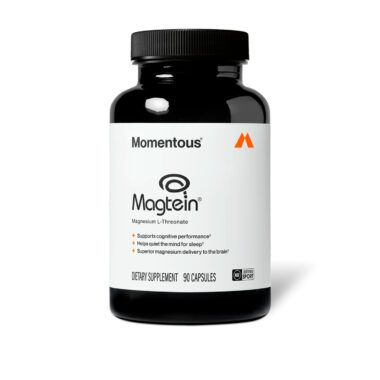
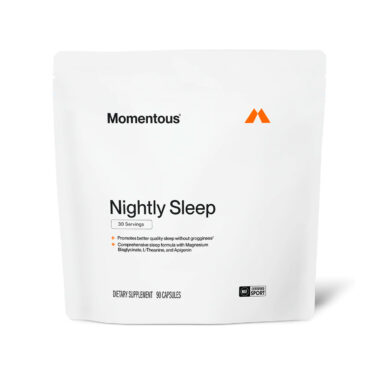
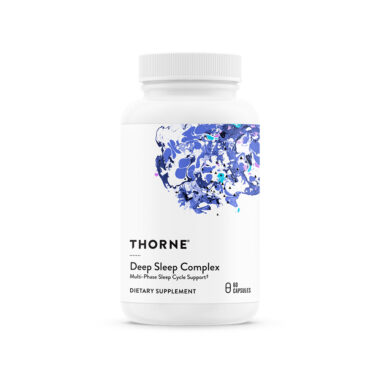
Adding natural supplements to your sleep strategy can be helpful. These supplements provide nutrients the body needs for good health and support sleep quality.
Magnesium glycinate: Magnesium glycinate is one of the supplements to help you stay asleep. It may calm the central nervous system, relax muscles and help regulate circadian rhythms. It also supplies magnesium, which plays a crucial role in sleep duration and sleep quality.
L-theanine: L-theanine is an amino acid found in tea, especially green tea. This amino acid can promote alpha brain waves, quieting racing thoughts before sleep. Alpha brain waves are associated with mind relaxation without causing drowsiness.
Melatonin: Taking low doses of melatonin is best for addressing jet lag or resetting a sleep schedule. A low dose is 0.5-1 mg. Taking daily high doses can interfere with the body’s natural melatonin production. This can lead to daytime drowsiness.
Herbal teas: Herbal teas have been used for thousands of years as calming agents. Teas like chamomile, passionflower and valerian root contain active plant compounds that signal to the brain that it is time to wind down.


Design a Relaxing Wind-Down Routine
Learning to wind down before bedtime can take practice. The “always on” lifestyle so many of us live today keeps us active right up until bedtime.
Digital detox: An important strategy for fixing a sleep schedule is to stop using digital devices at least an hour or two before bedtime. Activities like social media scrolling, texting, gaming or using the computer excite the nervous system and can make you go to bed later, meaning you lose sleep time. You can replace digital time with other activities, like reading a physical book, journaling or doing gentle stretching exercises.
Thermic shift: The body’s internal core temperature naturally drops by 1-2 degrees Fahrenheit, and the skin on the hands and feet warms when it is time to rest. Ninety (90) minutes before your bedtime, take a warm bath or shower to induce rapid body cooling afterward, signaling the brain it is time to go to sleep.
Mindfulness & breathing: Utilizing techniques like the 4-7-8 breathing method or body scan meditation can help calm the mind and reduce mental tension. The 4-7-8 breathing method involves:
• Exhaling completely through the mouth
• Inhaling through the nose for four seconds
• Holding the breath for seven seconds
• Exhaling completely through the mouth while counting to eight.
This cycle is repeated four times.
Body scan meditation is a mindfulness practice. You focus your attention on different body parts in sequence, from head to toes. Notice different sensations at each focal point without trying to change them. Mindfulness helps quiet a racing mind and calm physical tension.
Applying the “20-Minute Rule” When You Cannot Sleep
Conditioned arousal is when your brain associates the bed with wakefulness. It is basically learned wakefulness. For example, you feel very drowsy watching TV, but when you go to bed, you are wide awake. The conditioning develops when you stay in bed for a long time and cannot fall asleep. You create an association between the bed and feelings of frustration.
It is best not to struggle with sleeplessness in bed. The 20 minute sleep rule says to get up after 20 minutes of tossing and turning, move to a dimly lit room, do a quiet activity and return to bed only when drowsy. This helps you “unlearn” the connection between bed and wakefulness.
Getting Started
Good sleep starts in the morning and is built through consistent daily habits. It begins when you wake up and get light exposure, and it is supported by a consistent wake-sleep schedule, timing meals and stimulants, an environmentally optimized bedroom and more. You do not have to do everything at once. You are more likely to succeed by choosing two or three natural sleep remedies. For example, you can set a caffeine cutoff time, adjust the bedroom temperature and stop scrolling social media or playing digital games at least an hour before bedtime. You can add other strategies over time.
The key to success is consistency. Send the same signals to your brain at about the same time each day, create a sleep-supporting environment and let your natural sleep-wake rhythm take effect. The best news is that you can learn how to sleep better at night, and you can begin today.
Sources
- https://www.cdc.gov/nchs/products/databriefs/db559.htm
- https://www.nigms.nih.gov/education/fact-sheets/Pages/circadian-rhythms
- https://pmc.ncbi.nlm.nih.gov/articles/PMC12502225/
- https://www.nhlbi.nih.gov/sites/default/files/media/docs/Session6-TakeTimeForSleep-508.pdf
- https://www.health.harvard.edu/healthy-aging-and-longevity/blue-light-has-a-dark-side
- https://www.psychologytoday.com/us/blog/the-modern-brain/202503/the-key-role-of-temperature-in-sleep-quality
- https://pmc.ncbi.nlm.nih.gov/articles/PMC5187651/
- https://pmc.ncbi.nlm.nih.gov/articles/PMC9855654/
- https://pmc.ncbi.nlm.nih.gov/articles/PMC13119445/
- https://pubmed.ncbi.nlm.nih.gov/36870101/
- https://www.ncoa.org/article/how-alcohol-affects-your-sleep/
- https://health.clevelandclinic.org/drink-water-before-bed
- https://pmc.ncbi.nlm.nih.gov/articles/PMC12535714/
- https://pubmed.ncbi.nlm.nih.gov/34562208/
- https://pmc.ncbi.nlm.nih.gov/articles/PMC11109927/
- https://pmc.ncbi.nlm.nih.gov/articles/PMC9603733/
- https://clevelandclinic.org/body-scan-meditation
Share this post
