
Daily Protein Needs by Age: How to Prevent Sarcopenia and Preserve Muscle Mass
The important roles that protein plays in the body cannot be overstated. It makes up the structural framework for skin, muscles, connective tissues, hair and bones. Proteins are enzymes, hormones, antibodies and transport molecules that carry oxygen in the blood. They also transport nutrients. These workhorse molecules do most of the work in cells, supporting the structure, function and regulation of tissues and organs. As people age, maintaining protein levels in the body is crucial to preventing muscle loss that can lead to balance and mobility issues. The recommended protein intake by age changes because the body’s systems change, but one fact remains. Getting enough protein, coupled with physical activity, is necessary at every age to maintain healthy muscles and prevent sarcopenia.
TL;DR
Protein plays numerous critical roles in the body and is considered the workhorse of cells in tissues and organs. It is a common misconception that muscle loss and weakening cannot be significantly slowed during aging. However, aging does not mean major loss of muscle mass, strength and function, called sarcopenia, is inevitable if optimal protein intake is maintained to preserve as much muscle mass as possible. The requirements for protein intake by age change because the body has different nutritional requirements. Children and teenagers will need different amounts of protein as they grow. The standard RDA is 0.8 grams per kilogram of body weight, but this amount meets only the basic needs of healthy adults. Healthy adults need 1.2-1.6 grams of protein per kilogram of body weight daily. Active individuals and athletes need 1.6 to 2.2 g/kg. Adults over 50 who are inactive, not healthy or have dietary issues often need more, i.e., 1.2-2.0 g/kg of body weight. The recommended amount of protein for seniors is often higher to optimize muscle preservation. Protein supplements combined with resistance training help preserve muscle strength and mobility, as well as bone and organ health.
What is Sarcopenia and Why Does It Happen?
Protein consists of a string of amino acids. Of the 20 amino acids needed, nine are essential and must come from the diet. The complex protein’s structure and function are determined by the sequence of amino acids. The main functions of proteins are acting as enzymes, antibodies, and messengers, as well as transporting and storing substances. They also provide structure and support for cells, including in muscles and bones, and, on a larger scale, enable movement. Protein is essential for healthy muscles.
It may be surprising to learn that age-related loss of muscle mass and function is approximately 1% per year. Unless steps are taken to intervene in this process, as much as 50% of muscle can be lost by the time a person is in their 80s or 90s. Age-related deterioration of muscle mass and function is called sarcopenia.
Sarcopenia is progressive. It usually begins between ages 30 and 40 and accelerates after 60. The process for determining how much protein after 60 years to add to the diet considers the natural acceleration of sarcopenia without intervention.
Contributing to sarcopenia is the development and progression of anabolic resistance. In older people and those who are inactive, the muscles begin to resist the normal signals that promote protein synthesis and muscle growth. Dietary protein may provide the amino acids the muscles need, but protein must be combined with physical exercise to slow sarcopenia.
Other causes of sarcopenia include
- Chronic inflammation
- Hormonal changes
- Not consuming enough quality protein
- Lifestyle factors that include sedentary behavior, poor nutrition, smoking and excessive alcohol
- Certain medical conditions
When muscles age and develop anabolic resistance, they become less responsive to smaller protein amounts. The muscles require larger amounts of protein in a single dose to promote muscle growth. Younger adults can maximize muscle protein synthesis (MPS) with approximately 20 grams of protein. Older people need 30-40 grams each meal to trigger a similar response.
Clearly, preventing major sarcopenia is a better strategy than trying to overcome it. It requires a combination of dietary protein and exercise. As the body ages, eating a protein-rich diet combined with resistance training can help prevent gradual muscle loss. Increasing protein for muscle loss in elderly is a way to slow further muscle loss and weakening.
Lifespan Protein Requirements
Protein is essential at every life stage, but the protein needs change as the body grows and matures. The current Recommended Dietary Allowance (RDA) is .8 grams per kilogram of body weight at any age. However, many factors influence how much protein a person needs. They include age, activity level, diet and whether the person has an acute or chronic illness. Some people need higher protein amounts because they are very active or are recovering from surgery or illness.
How much protein per day do people need? The following are general guidelines.
Children and adolescents – The amount of protein that children and teenagers need daily depends on factors like weight, sex, hormonal development and need for tissue repair. For example, children aged 4-13 years need .95 g/kg per day, and teens aged 14-18 years need .85 g/kg.
Adults 18-50 years – The baseline recommendation is 1.2-1.6 g/kg per body weight for this age group. This is for people who are sedentary or not particularly active. Active people and athletes need more protein for muscle recovery and lean mass maintenance. They should get 1.6-2.2 g/kg of protein based on body weight.
Older Adults and seniors over 50 years to old – Older adults and seniors who are healthy without chronic health conditions need 1.0-1.2 g/kg daily. If individuals have medical conditions, they should take 1.2-1.5 g/kg daily. If the person has a serious illness, malnutrition or a chronic condition, then 2.0 g/kg daily is recommended. When considering protein requirements, aging is a major factor.
Optimize Protein Distribution and Reaching the Leucine Threshold
Taking all of your recommended daily protein at once does not work well. Instead, distribute protein across meals. The target amount per meal is 25-40 grams of protein, or approximately 0.4 g/kg of body weight per meal.
Eating 10 grams of protein at one meal and 70 grams at another is not effective. Spreading protein across three to four meals works best because muscles cannot efficiently process an overload of protein. However, it is also best to eat enough protein at a single meal to get the benefits.
The leucine threshold for muscle synthesis is the amount of the essential leucine amino acid that one meal should contain to stimulate muscle protein synthesis (MPS). MPS is the process that builds and repairs muscles. Studies have found that the protein per meal threshold for older individuals is 25-30 grams of protein, which delivers the most beneficial amount of leucine at 3-4 grams per meal.
The leucine threshold was set higher at 4 grams for people over 65 years than the 2-2.5 grams for younger adults because of anabolic resistance. Older muscles need a stronger signal to trigger the MPS response.
The daily protein amount should be spread across meals for several reasons. One is that it stabilizes blood sugar. It also delivers a steady supply of protein to muscles, hair, skin, immune cells and more, supporting overall health. It also counteracts anabolic resistance, which stimulates muscle repair.
Combine Protein with Resistance Exercises
Protein alone will not slow or partially reverse sarcopenia. It is protein combined with resistance exercise that can significantly slow sarcopenia. As mentioned earlier, anabolic resistance develops in aging skeletal muscle. Resistance training sensitizes the aging muscles to protein, and protein provides the material for muscle repair. Resistance training increases blood flow to muscle tissues, making them more receptive to amino acids. Muscle mass and strength are improved.
In addition to increasing blood flow to muscles, resistance training also increases Type II muscle fibers in people of all ages. Also called fast-twitch muscle fibers, they support rapid movement. In older individuals, pairing protein with resistance exercise can improve muscle function, meaning seniors are less likely to fall and can better maintain balance.
Resistance training exercises include lifting light weights or using bodyweight. When combined with protein intake, more than muscles benefit. Lifting weights protects bone density. Muscles contract under heavy resistance, pulling on tendons attached to bone. The mechanical strain triggers the production of osteoblasts, bone-building cells. A lift-plus protein routine can help preserve mobility and independence by increasing functional capacity.
Best Protein Sources
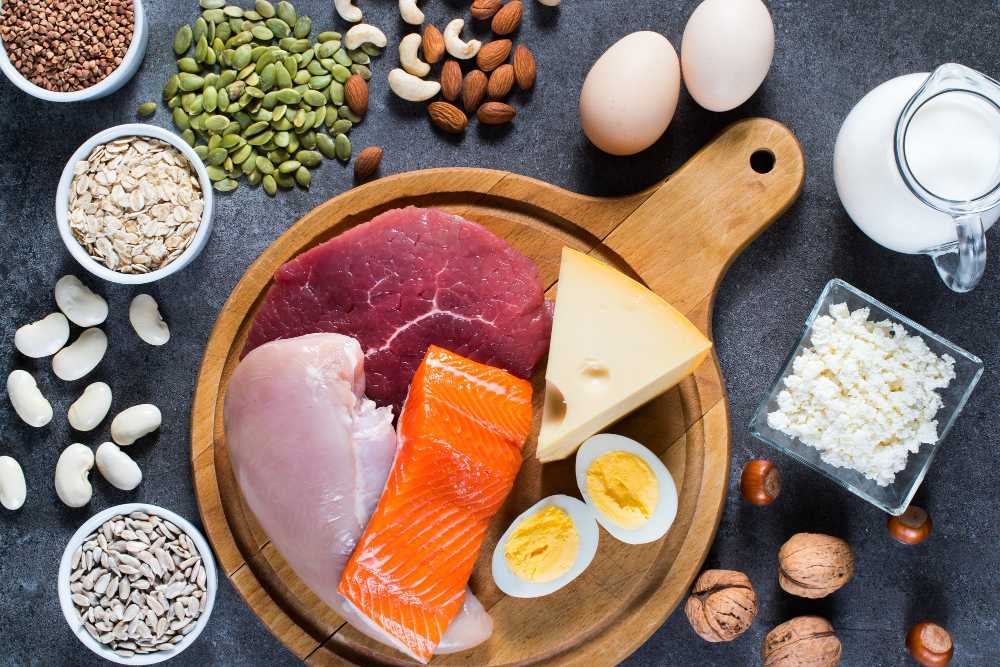
The best protein sources are high-quality, digestible foods, especially for older adults.
Animal-based sources
Animal-based sources provide all the essential amino acids, making them the best source of high-quality protein. Animal proteins have the highest anabolic effect because they have higher digestibility than plant proteins. Studies have found that high-quality animal proteins are more effective at enhancing the rate of MPS (muscle protein synthesis) and supporting muscle mass.
• Lean beef and pork
• Chicken and turkey
• Eggs
• Milk
• Fatty fish, i.e., salmon, tuna, mackerel
• Greek yogurt
• Cottage cheese
• Whey protein isolate
Older people who eat smaller amounts of food should choose high-protein foods to meet the recommended daily protein intake. That way, they can avoid eating larger meals.
Plant-based sources
Plant-based foods have less protein than animal-based foods, but they are still important dietary sources. Some soy foods, like tofu, edamame and tempeh, provide all the essential amino acids the body does not produce, so they are considered complete protein sources. Most plant foods lack one or two amino acids.
Other plant-based foods high in protein include the following.
• Soy products, i.e., tofu, tempeh, edamame, soy milk
• Beans, i.e., black beans, kidney beans, pinto beans. Garbanzo beans
• Lentils
• Pea protein or split peas
• Nuts and seeds, i.e., almonds, peanuts, walnuts, hazelnuts, sunflower seeds, peanut butter
If the diet does not include a significant amount of animal-based foods, or if an individual follows a vegetarian or vegan diet, larger portions and a larger mix of plant foods are likely necessary to reach the leucine threshold.
Protein supplements
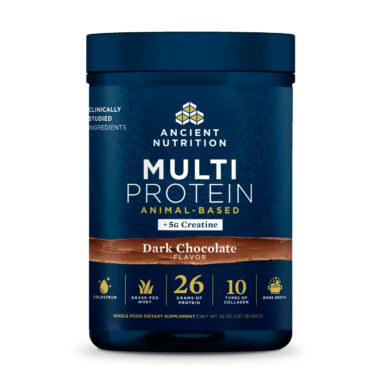
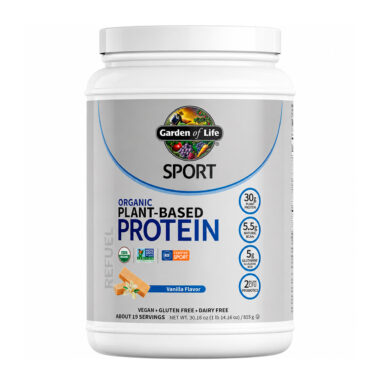
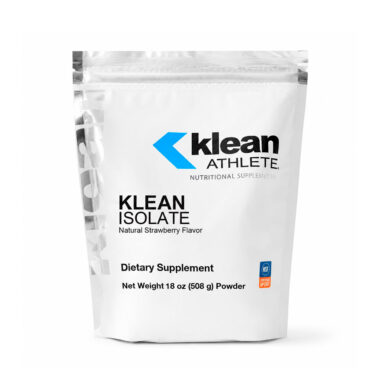
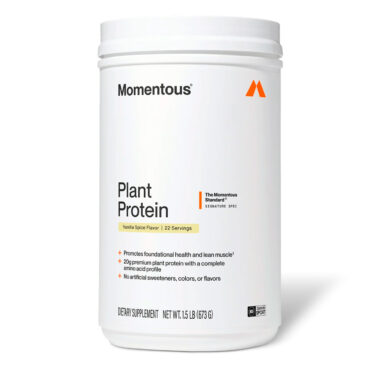
Whey or plant protein powders are a convenient way for individuals to get their daily supply of protein. People with digestive issues or disorders, those who cannot eat meat, those with red meat allergies, those who are not eating well and older people with lower appetites can include protein supplements in their dietary routine.
As people age, the body produces fewer digestive enzymes, making complex protein molecules more difficult to process. Whey and plant protein powders are highly digestible and absorb quickly. Whey powder is animal-based, while protein powders are plant-based.
Depending on the formula, whey and plant protein powders can help ensure the diet includes all essential amino acids. As mentioned, the body does not produce the nine essential amino acids, but whey protein contains all of them. It is important to buy high-quality protein powders. To get all essential amino acids, single-source plant-based protein powder must be fortified or blended with other plants.

Protecting Muscles with Protein is an Investment in Healthy Aging
Though losing muscle mass is a natural part of growing older, you can minimize the loss and slow its progress. Eating a healthy diet, ensuring adequate protein intake and including regular resistance exercise can help preserve muscle tissue.
The Recommended Daily Allowance (RDA) of .8 g/kg of body weight is a basic benchmark. However, when considering the RDA for protein vs optimal intake, age and general health matter are important factors. People over 50 years may need more protein and should aim for 1.2-1.6 grams per kilogram daily, and some people need even more than that. To calculate your protein target, multiply your weight in kilograms by 1.2 or 1.6, or higher if you are active or older.
You can audit your meals to ensure you are getting enough protein. Breakfast should contain at least 30 grams of protein. This helps stabilize blood sugar and support muscle maintenance. For example, there are approximately 25 grams of protein in one cup of Greek yogurt. Add a tablespoon of peanut butter with five protein grams, and breakfast contains 30 protein grams.
Also, remember to combine the daily protein intake with 2-3 resistance training sessions per week. Weightlifting or strength training may evoke images of bodybuilders, but many resistance exercises suit people of all ages. Some resistance exercises for older people include wall push-ups, chair squats, overhead presses and bicep curls with light weights, calf raises and glute bridges.
Evaluate how much protein you eat, make dietary changes, add whey or protein powder if needed and incorporate strength training into your weekly routine. These simple changes can deliver big benefits for your muscles and support a healthier future.
Sources
- https://medlineplus.gov/genetics/understanding/howgeneswork/protein/
- https://pubmed.ncbi.nlm.nih.gov/30048806/
- https://pmc.ncbi.nlm.nih.gov/articles/PMC8131552/
- https://pmc.ncbi.nlm.nih.gov/articles/PMC4066461/#S6
- https://pmc.ncbi.nlm.nih.gov/articles/PMC4213379/#Sec4
- https://newsinhealth.nih.gov/2025/04/slowing-sarcopenia
- https://pmc.ncbi.nlm.nih.gov/articles/PMC5872778/#sec2-nutrients-10-00360
- https://www.ncoa.org/article/how-much-protein-do-older-adults-need/
- https://pmc.ncbi.nlm.nih.gov/articles/PMC8147948/
- https://pmc.ncbi.nlm.nih.gov/articles/PMC12655512/
- https://pmc.ncbi.nlm.nih.gov/articles/PMC12348035/
- https://pmc.ncbi.nlm.nih.gov/articles/PMC4213379/#Sec2
- https://pmc.ncbi.nlm.nih.gov/articles/PMC6248570/
- https://www.sciencedirect.com/science/article/pii/S1279770723007017
- https://pmc.ncbi.nlm.nih.gov/articles/PMC13235354/#sec0190
- https://www.uclahealth.org/news/article/why-strength-training-critical-older-adults
- https://pmc.ncbi.nlm.nih.gov/articles/PMC3905294/
- https://health.osu.edu/wellness/exercise-and-nutrition/healthiest-animal-protein-sources
- https://pmc.ncbi.nlm.nih.gov/articles/PMC11171741/
- https://www.aafp.org/afp/2009/0101/p43
- https://pmc.ncbi.nlm.nih.gov/articles/PMC8804093/
- https://medlineplus.gov/ency/article/002467.htm
- https://pmc.ncbi.nlm.nih.gov/articles/PMC11171741/
Share this post
