
Probiotics vs. Prebiotics: What’s the Difference?
A healthy gut contributes to more than digestive health. It is essential for overall wellness, and the status of the gut microbiome is a key factor in the gut’s health. A healthy gut plays a role in regulating critical bodily functions, including the immune system, metabolism, and nutrient absorption. When the gut experiences poor health, it contributes to various health issues. Prebiotics and probiotics work together to help maintain a balance of beneficial bacteria in the gut microbiome.
Understanding the Gut Microbiome
The gut microbiome is a community of over 200 prevalent viruses, bacteria, and fungi living in the gastrointestinal tract. The hundreds of other types of microorganisms are not as prevalent, but they also contribute to health.
The trillions of microorganisms living in the digestive system, which make up the gut microbiome, can get out of balance. Dysbiosis is a condition in which the population of beneficial gut bacteria declines, and that of harmful bacteria increases. In other words, having too many bad bacteria is possible. This disruption in gut microbiota balance can occur for many reasons.
- Genetics
- Diet and lifestyle
- Antibiotics
- Inflammation
- Infections
- Aging
Some people experience mild consequences when the microorganisms are not present in the right balance. However, an imbalance in beneficial gut bacteria can trigger serious diseases. One way to address and correct the imbalance is to take prebiotics and probiotics, which have different functions.
What Are Probiotics?
Probiotics are live microorganisms that live in the digestive system and provide health benefits. They are present in fermented foods and can be purchased as dietary supplements.
The following are the most common probiotic strains.
- Lactobacillus
- Bifidobacterium
- Saccharomyces boulardii (yeast strain)
Different probiotic strains support human health in varying ways.
- Aids digestion by breaking down carbohydrates into lactic acid
- Strengthens the gut barrier by promoting mucus production
- Assists with maintaining a healthy balance of good bacteria in the gut
- Maintains balance in the immune system and helps the immune system respond to health issues like allergies
- Inhibits the production of harmful microbes
- Assists with vitamin absorption and produces some vitamins, such as K and various B vitamins
Numerous studies have demonstrated that taking probiotics may improve certain health conditions or at least make them more manageable. They include constipation, diarrhea associated with taking antibiotics, dental caries, hay fever, asthma, infant colic, etc. It is often surprising to learn how the gut microbiome status directly impacts health in so many diverse ways.
What Are Prebiotics?
Prebiotics are complex carbohydrates and non-digestible plant fibers that are food for beneficial gut bacteria. They support a healthy microbiome balance by promoting the beneficial microbes already present in the digestive tract. A prebiotic:
- Is resistant to stomach acid
- Is not absorbed in the gastrointestinal tract
- Is fermented by intestinal microbiota
- Can promote the growth or activity of intestinal bacteria
The common types of prebiotic fibers and food sources include the following.
- Inulin – asparagus, garlic, chicory root
- Beta-Glucans – oats, barley, mushrooms
- Fructooligosaccharides (FOS) – bananas, onions, leeks
- Galactooligosaccharides (GOS) – dairy products, legumes
- Resistant starch – potatoes, legumes, green bananas
Like probiotics, the prebiotics also convey various health benefits.
Probiotics vs. Prebiotics: The Main Difference
The primary difference between prebiotics and probiotics is how they function in the digestive system.
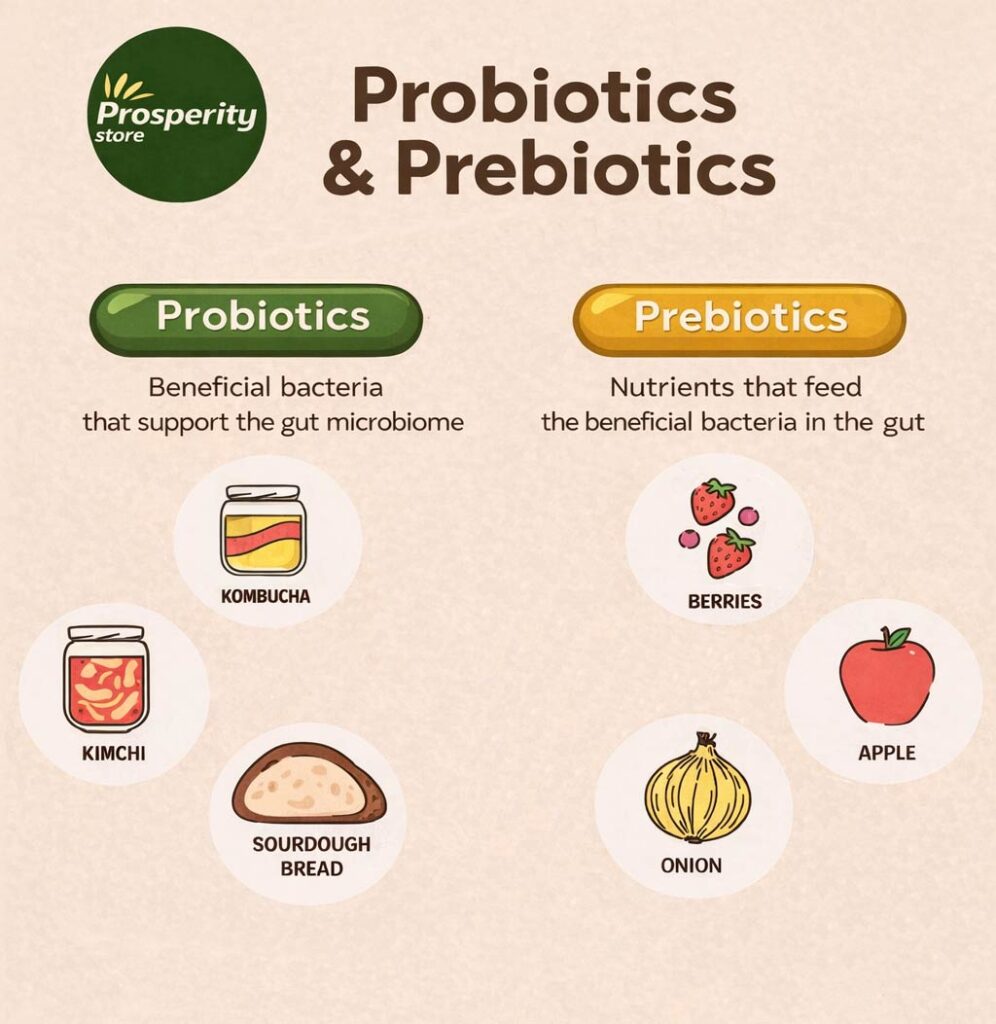
➥ Probiotics are live microorganisms that supply and maintain beneficial bacteria in the digestive system.
➥ Prebiotics are certain fibers that feed beneficial bacteria in the digestive system to support their growth.
Despite the distinction between prebiotics and probiotics, both are important for maintaining a balanced microbiome, which is necessary for gut health.
How Probiotics and Prebiotics Work Together
Probiotics and prebiotics have a synbiotic relationship. This means that when they are present simultaneously in the gut, the elements complement each other and help maintain a healthy gut microbiome.
After taking probiotics through food or supplements, the beneficial microorganisms are supplied. The prebiotics consumed as food or supplements feed the bacteria. Synbiotics are food combinations or supplements that deliver both probiotics and prebiotics.
Food Sources of Each
Maintaining healthy gut bacteria is important to general wellness in so many ways. The balance can be achieved through careful food choices in a healthy person, but medical issues may necessitate taking supplements. Supplements are also effective when the diet is not producing the desired results. Dietary choices can be combined with supplements after consulting a doctor.
Probiotic Food Sources
The best probiotic foods are fermented. The fermentation process supports the development of microorganisms. Some good probiotic food sources include the following.
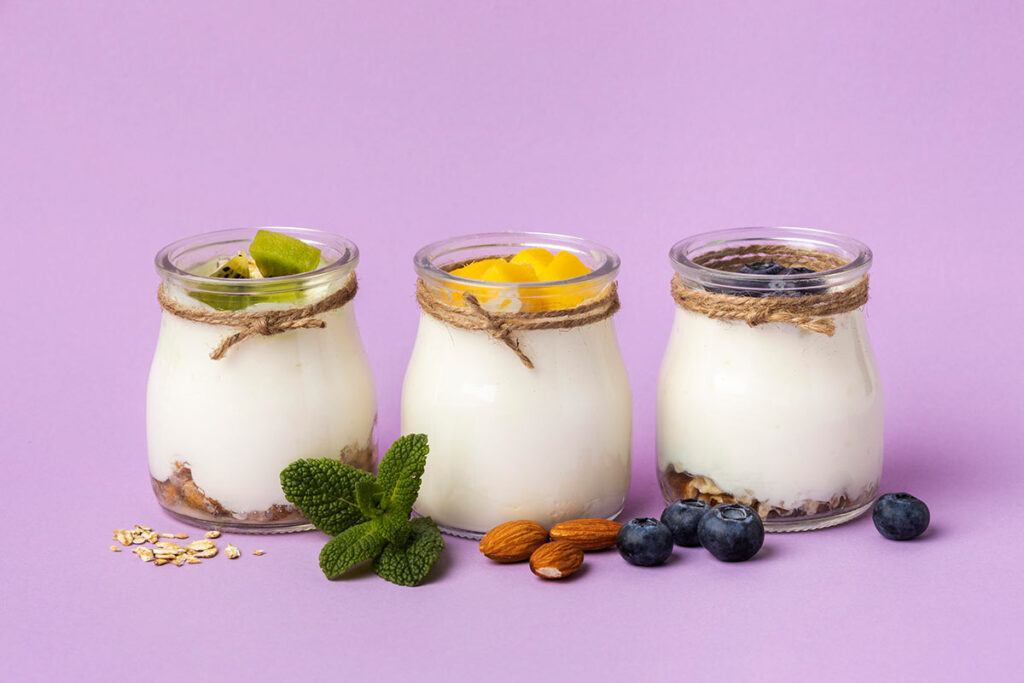
- Yogurt with live cultures
- Kefir
- Sauerkraut
- Kimchi
- Miso
- Tempeh
- Kombucha
- Fermented cheeses
Prebiotic Food Sources
Prebiotic fibers occur naturally in many plant-based foods. Common examples include:
- Garlic
- Onions
- Leeks
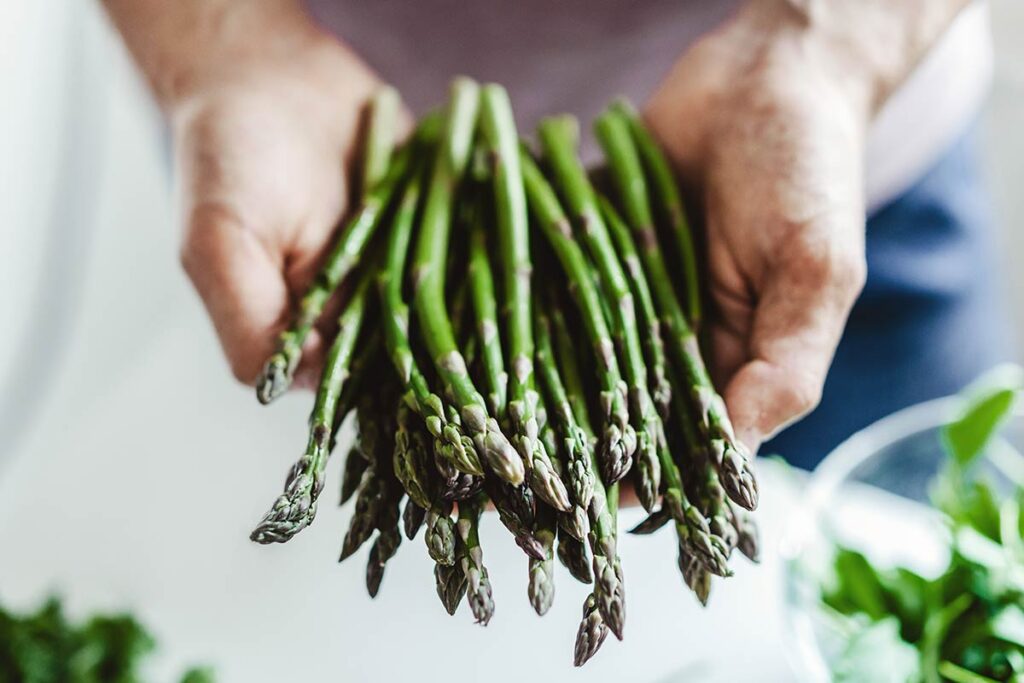
- Asparagus
- Bananas
- Chicory root
- Jerusalem artichokes
- Whole grains such as oats and barley
- Legumes and lentils
Do You Need Both?
Medical professionals agree that probiotics and prebiotics are important to maintaining gut health. Maintaining a balanced gut microbiome is not always easy and takes planning. Factors like antibiotics, medical conditions, stress, and antibiotic use can cause an imbalance. Also, a poor diet low in fiber and high in processed foods does not provide the right nutrients.
FAQs
Can you take prebiotics and probiotics together?
Yes, they can be taken together and often work better when combined. Prebiotics help nourish probiotic bacteria, increasing their survival and effectiveness in the digestive system. Some supplements are specifically designed as synbiotics, containing both ingredients.
Are prebiotics better than probiotics?
Neither is better than the other because they serve different functions. Probiotics introduce beneficial bacteria into the gut. Prebiotics perform a different function by feeding those bacteria and helping them grow. A balanced diet typically includes both.
What foods contain both?
Some foods can provide both probiotics and prebiotics when eaten together.
Examples include:
• Yogurt with bananas or oats
• Tempeh with broccoli
• Kefir smoothies with fruit
• Miso soup with vegetables
• Fermented vegetables such as kimchi with garlic and onions
• Sauerkraut with apples
• Kombucha with flax seeds
Combining fermented foods with fiber-rich ingredients is a simple way to consume both types in one meal.
Partnership for Overall Good Health
It has not been that many years since doctors came to understand the importance of probiotics and prebiotics to general wellness. Though the elements have different roles, both are essential to maintaining a healthy gut. There must be the right amount and type of microorganisms in the gut. As scientific research continues to explore the gut microbiome and the relationship between the number and types of bacteria and various medical issues, it is becoming increasingly clear that the partnership between probiotics and prebiotics plays a key role in maintaining long-term wellness. Take care of the gut, and the gut will take care of you.
Sources
- https://pmc.ncbi.nlm.nih.gov/articles/PMC6682904/#sec1-nutrients-11-01613
- https://pmc.ncbi.nlm.nih.gov/articles/PMC12006732/
- https://pmc.ncbi.nlm.nih.gov/articles/PMC3424311/#S2
- https://pmc.ncbi.nlm.nih.gov/articles/PMC9019120/#s5
- https://pmc.ncbi.nlm.nih.gov/articles/PMC10470842/#sec2
- https://pmc.ncbi.nlm.nih.gov/articles/PMC10470842/
- https://www.nccih.nih.gov/health/probiotics-usefulness-and-safety
- https://pmc.ncbi.nlm.nih.gov/articles/PMC6463098/#sec2-foods-08-00092
- https://thehealthygut.org/do-prebiotics-really-impact-your-gut-health/
- https://pmc.ncbi.nlm.nih.gov/articles/PMC8002343/#sec6-biomolecules-11-00440
Share this post
