
10 Fermented Foods for a Healthier Microbiome
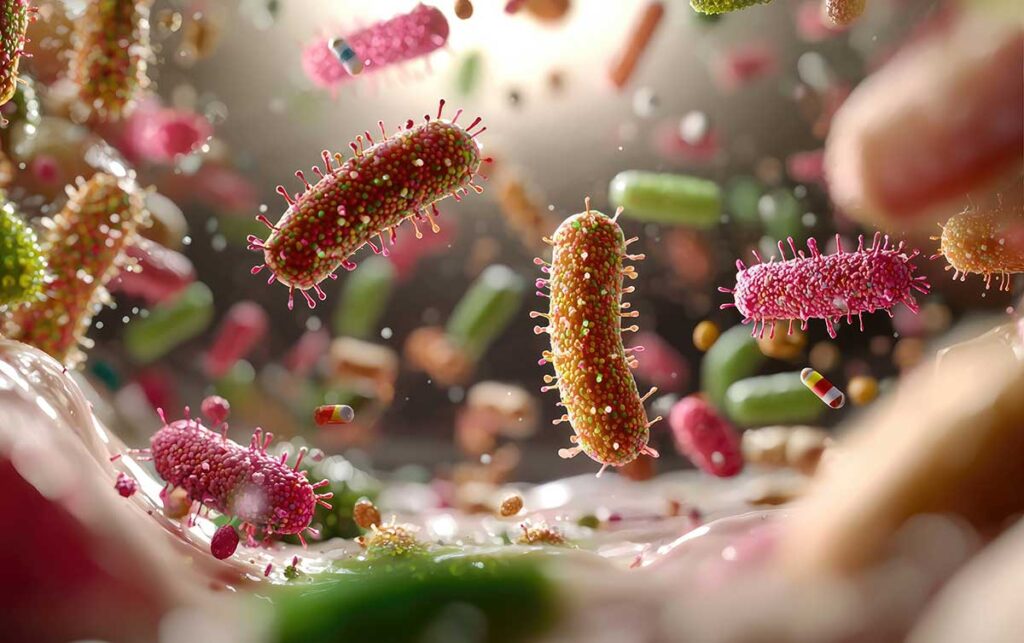
The microbiome is the billions of bacteria, viruses, and fungi that live in the gut and on the body. They are microscopic, but they play a huge role in gut health. A healthy microbiome provides numerous benefits, including protecting against diseases such as the flu and food poisoning caused by tiny organisms. Microbes also support food digestion, producing energy. The microorganism community in the digestive tract regularly changes in response to diet, medications, and various environmental factors. Scientists have learned that a diet that includes naturally processed fermented foods is essential to creating and maintaining a healthy microbiome balance of microbes. The key is to include fermented foods made with live organisms that are naturally processed.
TL;DR
Fermented foods help support a diverse and balanced gut microbiome. This balance is important for digestion, metabolism, and overall gut health. Fiber-rich foods like vegetables, fruits, legumes, and whole grains help maintain a healthy gut environment. Ultra-processed foods may reduce microbial diversity.
Why Fermented Foods Matter for the Microbiome
Various clinical studies have found that fermented foods support general health in numerous ways, particularly by maintaining a healthy gut microbiome. Why is a balanced microbiome so important?
Researchers report findings that are surprising in numerous ways because gut bacteria and other microbes directly affect everything from digestion efficiency and nutrient absorption to immune system health. The right balance of gut microbes is needed to:
- Break down dietary fibers and some complex carbohydrates so the nutrients are made available
- Produce short-chain fatty acids that feed gut lining cells to keep the gut healthy
- Provide the enzymes needed to synthesize some vitamins, including B and K
- Assist with metabolizing intestinal bile, which aids in the digestion and absorption of fats
- Maintain a healthy immune system by acting as a barrier to a build-up of unhealthy micro-organisms
- Produce and stimulate neurotransmitters in the gut-brain axis, affecting the nervous system
- Assist with the regulation of the endocrine system, which secretes hormones involved in metabolic regulation
Because it affects the gut-brain axis, microbes are even believed to play a role in weight management and obesity. There is continuing research in these areas and more, but everyone agrees: gut microbes support human health in many ways.
Not All Fermented Foods Work the Same
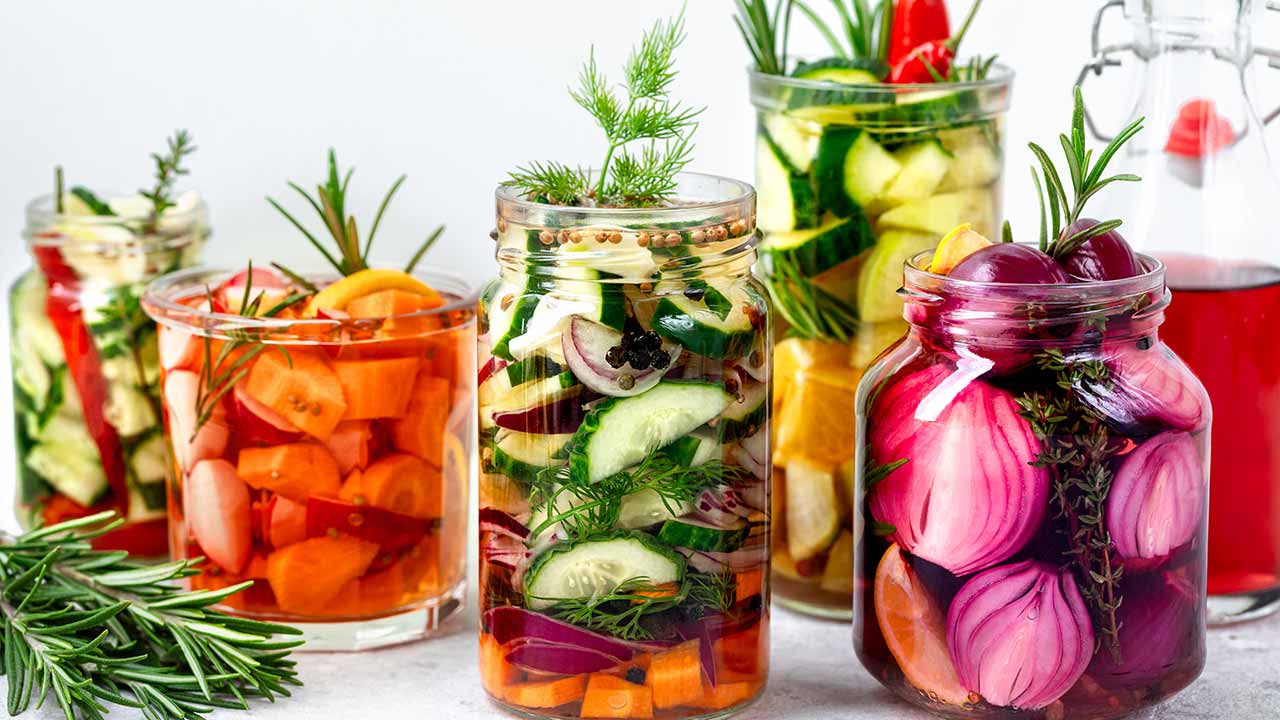
Not all fermented foods work as well in protecting gut health. The most important ones are those that are natural sources of probiotics. The foods are naturally processed and contain live cultures. For example, naturally fermented pickles with live organisms are better than those fermented with vinegar. Vinegar does not contain live organisms (or has very small amounts), so it cannot act as a probiotic, and the pickles are processed after fermentation.
Probiotics are live microorganisms that act in the digestive tract. They include bacteria and yeasts found in some foods in their natural state, as well as in fermented foods and dietary supplements. Prebiotics are plant fibers. They are not digested like other foods and serve as food for beneficial gut microbes. Probiotics reach the colon undigested, where they undergo fermentation by beneficial bacteria.
10 Fermented Foods for Gut Health
Fermented foods deliver probiotics, support a healthy, diverse balance of gut microbes, and produce metabolites that support the immune system and intestinal health. The following are known to provide fermented foods benefits.
1. Sauerkraut
Sauerkraut has lactic acid bacteria that help modulate the immune system, protect against unhealthy microbes and aid with digestion. It is a probiotic food containing natural bacteria and is one of many fermented foods being studied as a potential treatment for IBS by improving the gut microbiome.
2. Kimchi
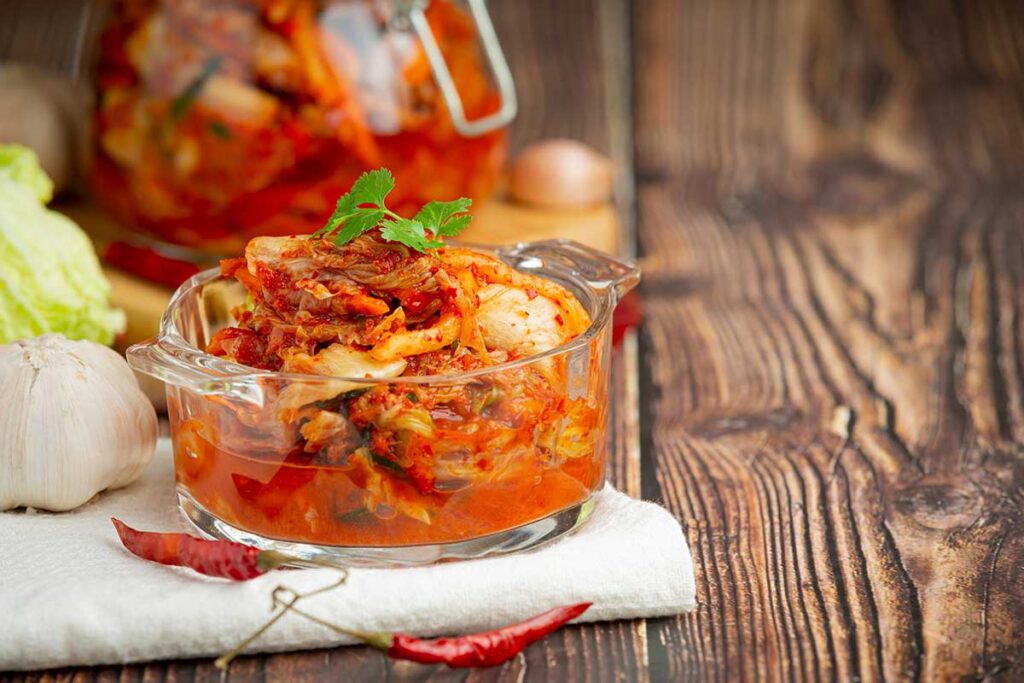
Kimchi is made from vegetables, mostly plants in the cabbage family, that are naturally fermented in pickling crocks. The fermented vegetables act as a probiotic in the gut, allowing beneficial lactic acid bacteria to thrive. The bacteria improve digestion and strengthen the immune system.
3. Miso
Miso is a fermented paste made from soybeans, the fungus koji and salt. It provides probiotics that may help improve digestion and food absorption and balance gut microbes.
4. Tempeh
Tempeh is a plant-based protein made from fermented soybeans. It may contain other legumes or grains. Tempeh provides prebiotics. If it is not pasteurized, tempeh also provides probiotics that improve nutrient absorption, digestion and microbiome balance.
5. Kombucha
Kombucha is a probiotic fermented tea. Sweetened tea is infused with bacteria and yeast. Research has demonstrated that it can produce antibacterial and antioxidant effects. It can improve the gut’s microbial balance, easing constipation. Today, many countertops in homes hold a jar of home-made fermenting kombucha.

6. Brine-fermented pickles
Brine-fermented pickles are an important source of probiotics. The cucumbers and other vegetables are fermented in salt and water. The grocery store pickles are not the same because they are fermented with vinegar and then processed. Brine-fermented pickles support a healthy gut microbiome and can improve the immune system.
7. Natto
Natto is made from soybean seeds fermented with Bacillus subtilis bacteria. Acting as a probiotic, the bacteria produce enzymes that enhance digestion, contribute to microbial diversity and act as a barrier to harmful bacteria effects.
8. Beet kvass
Beet kvass is a lacto-fermented drink made from beets, water and salt. It is a probiotic that helps maintain the gut’s microbial balance, improves digestion and promotes antioxidant activity.
9. Fermented coconut yogurt
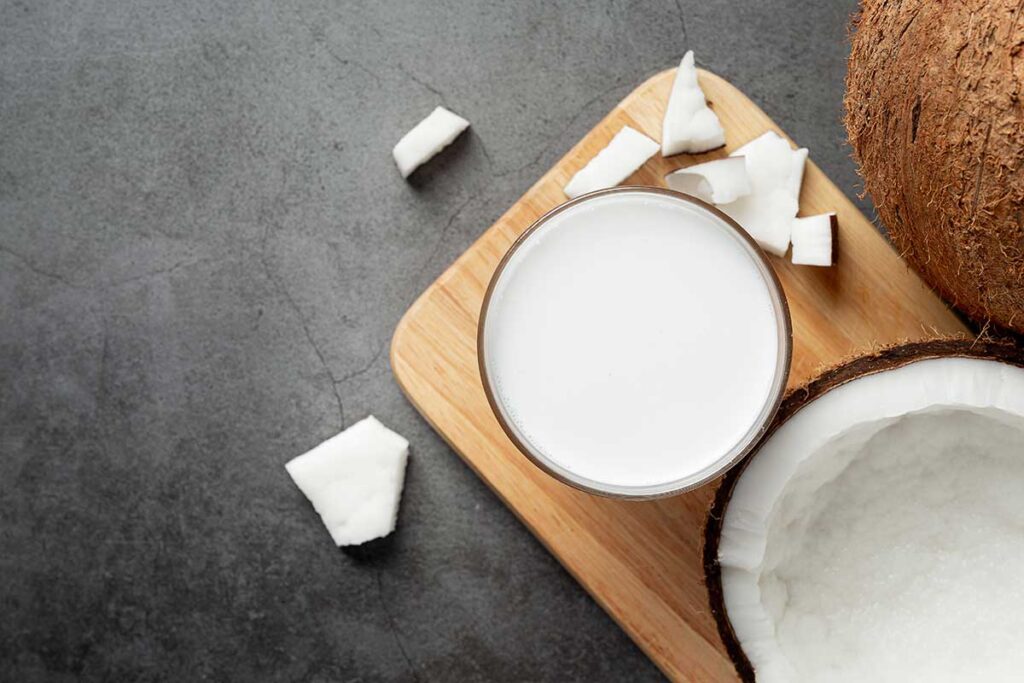
Another dairy-free option, fermented coconut yogurt is, as the name suggests, made with fermented coconut milk and yogurt and contains lactic acid bacteria. It supports metabolic activity in the gut microbiome. It also enhances digestion and the immune system.
10. Water kefir
This is a dairy-free option for a fermented beverage. Mostly sugar and fruit are fermented with water kefir grains to turn drinks like fruit juice and coconut water into probiotics. The grains are a blend of beneficial bacteria and yeast. Water kefir delivers many health benefits, including protection against harmful microbial activity.
Healthy Microbiome Through Dietary Choices
Numerous clinical studies have found that many digestive issues and gut diseases people experience are likely due to an imbalance in gut microbes. It takes more than consuming a single prebiotic or probiotic food to keep the gut microbiome in balance. A balanced diet that supplies and maintains the ideal microbe balance requires following a consistent diet that creates the right gut environment.
Prebiotic fiber is an essential nutrient for feeding bacteria. Consume vegetables like leafy greens, fruits high in fiber, legumes and whole grains. The diet should include these fiber-rich foods and also embrace nutrient-rich foods like berries, fatty fish and nuts and seeds. Add unpasteurized fermented foods to a healthy diet to maintain gut microbial balance. Avoid ultra-processed foods, which can reduce the diversity of microbials and create an environment where unhealthy bacteria flourish.
As is always true, a balanced diet with plenty of fresh vegetables, fruits, healthy fats and nuts is the key to good health. Adding fermented foods that are naturally processed and made with live cultures completes the dietary ecosystem for good gut health.
Sources
- https://www.genome.gov/genetics-glossary/Microbiome
- https://my.clevelandclinic.org/health/body/25201-gut-microbiome
- https://pmc.ncbi.nlm.nih.gov/articles/PMC9733784/
- https://pmc.ncbi.nlm.nih.gov/articles/PMC12840750/
- https://pmc.ncbi.nlm.nih.gov/articles/PMC10111609/#sec4
- https://www.tandfonline.com/doi/full/10.1080/10408398.2023.2170319#d1e536
- https://pmc.ncbi.nlm.nih.gov/articles/PMC9731531/#fsn33029-sec-0013
- https://www.sciencedirect.com/science/article/pii/S2666833524000364
- https://pmc.ncbi.nlm.nih.gov/articles/PMC9975612/#s0035
- https://pmc.ncbi.nlm.nih.gov/articles/PMC12494867/
- https://pmc.ncbi.nlm.nih.gov/articles/PMC9616652/
- https://pmc.ncbi.nlm.nih.gov/articles/PMC4517037/
- https://pmc.ncbi.nlm.nih.gov/articles/PMC12249102/
- https://pmc.ncbi.nlm.nih.gov/articles/PMC11259891/#sec6
Share this post
